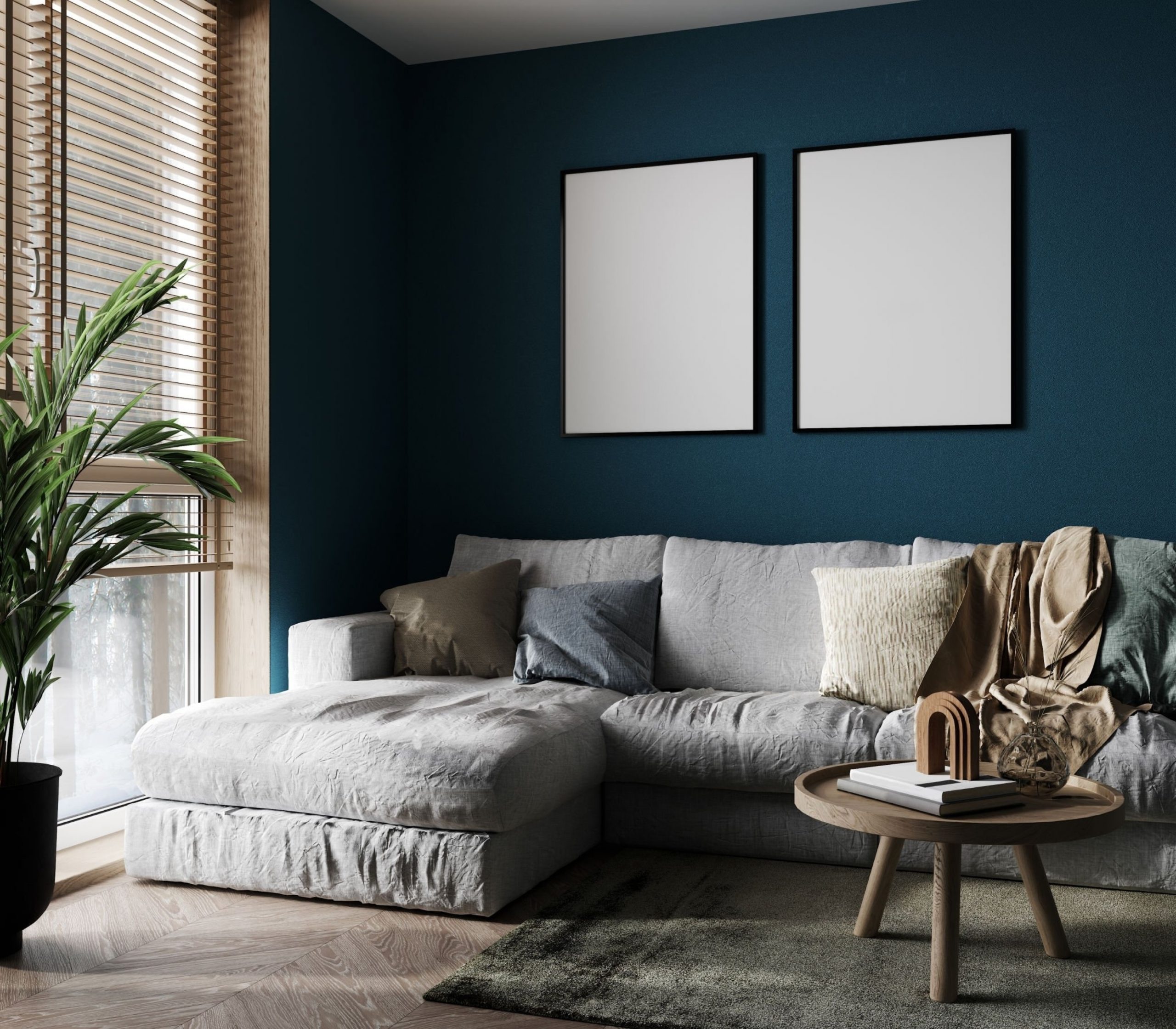
India’s textile sector is among the largest and most multifaceted globally, serving a variety of markets – apparel; furniture; hospitality; automotive; healthcare; commercial interiors; industrial manufacturing – with textile categories made in India being the most common, woven fabric is the most popular due to it being highly durable, versatile, and having many potential uses. Woven fabric forms a foundation for the manufacture and creation of many contemporary products and can be put to use in coatings, home furnishings, tech fabrics, and industrial product development.
Due to manufacturers looking for sources of materials that have the desired performance characteristics of strong and long-lasting qualities, and the aesthetics of the different types of woven fabrics have developed into a massive need today for woven fabric manufacturers to develop and refine the types of woven fabrics manufactured to be able to meet the requirements of both the decorative and industrial applications.
Within the many manufacturers of woven fabrics in India, Response Fabrics has become well known for its large variety of upholstery and furnishing styles and products for the modern commercial, residential, hospitality, and industrial environments.
Understanding Woven Fabrics
The two sets of yarns used to create woven fabric are woven together in an intersecting manner at right angles; the lengthwise yarns are referred to as warp yarns, and the crosswise yarns are called weft yarns. By using the design techniques of weaving fabric, woven fabrics are stable and durable and can also be engineered to meet diverse functional requirements.
Woven fabric construction allows manufacturers to make a variety of woven fabrics with a wide variety of textures, strengths, appearances, and functionalities, based on the type of yarn processed, and chosen weave method; thusly providing manufacturers a range of possibility from light, decorative types of woven fabrics to heavy-duty, structural uses for industrial types of woven textiles.
Woven fabrics are advantageous for utilization in applications where durability, dimensional stability, and resistance to abrasion are critical. Consequently, woven fabrics can be found in many different manufacturing industries.
Why Woven Fabrics Are Widely Preferred
Because of their unique ability to offer both durability and variety in design options, woven fabrics have become increasingly popular over the past few years. The fabric’s ability to maintain shape through continual use, as opposed to a large number of other types of textile construction, is due to the way the fabric is made.
Durability is one of the most important advantages of woven fabrics. The interlocking structure of the yarn provides an impressive amount of resistance to tearing, stretching, and abrasion, making the use of these fabrics ideal for use in extremely demanding conditions.
Design flexibility is another major advantage of woven fabrics. The design possibilities with woven fabrics are essentially endless, which means that designers and manufacturers can create many different types of custom solutions for different applications.
When treated with specialized surface treatments such as waterproofing, stain resistance, fire retardant finishes, anti-static properties, and antimicrobial protection, woven fabrics exhibit exceptional performance attributes and can therefore be used in a wide variety of applications for both commercial and industrial purposes.
Applications of Woven Fabrics Across Industries
The versatility of woven fabrics has enabled their adoption across a broad range of sectors, making them one of the most widely used textile categories in India.
Furniture and Upholstery
Woven fabrics are one of the most common types of fabric used for furniture upholstery, as they are very durable and retain their appearance over time from frequent use. Woven fabrics can be found on many types of items from sofas to recliners, to office chairs and modular furniture.
Woven upholstery fabrics also lend a textured and aesthetically pleasing appearance to higher-end design projects.
Home Furnishings
Woven textiles are used for many different types of home decor items such as curtains, pillows, wall coverings, and other decorative features because of their dual roles in both visual and functional capacity.
Hospitality Interiors
Woven fabrics are commonly used for seating, decoration, and other types of furnishings in hospitality-related businesses such as hotels, restaurants, resorts, and lounge areas. Due to continued/high volume use of furnishings in commercial establishments, these items should be manufactured using commercial-grade or durable/functional fabrics while maintaining a level of appeal when no longer functioning.
Office and Commercial Spaces
Woven fabrics are frequently used in office design. They are utilized in workstations, meeting areas, waiting areas, and collaborative areas because of their professional look.
Auditorium and Cinema Seating
Many performance venues, such as auditoriums, theaters, and multiplexes, use woven fabrics in their seating, acoustical treatments, and wall treatments due to their durability and longevity.
Industrial Applications
Beyond interior design, woven fabrics are widely used in industrial sectors for filtration systems, protective coverings, packaging materials, automotive components, technical textiles, and specialized manufacturing processes.
Their structural integrity and adaptability make them valuable materials for various industrial applications that require reliability and durability.
Characteristics of High-Quality Woven Fabrics
Not all woven fabrics are created equally. High-quality woven textiles are distinguished by several important characteristics that contribute to their performance and longevity.
Exceptional Durability
Premium woven fabrics are designed to withstand prolonged use without significant wear. Their strong construction helps resist abrasion, tearing, and surface damage, making them suitable for high-traffic environments.
Dimensional Stability
A well-manufactured woven fabric maintains its shape and structure over time. This stability is particularly important for upholstery applications where consistent appearance is essential.
Visual Appeal
Woven fabrics offer rich textures and intricate patterns that enhance the aesthetic value of furniture and interior spaces. The weaving process allows for extensive design creativity while maintaining structural integrity.
Adaptability
High-quality woven fabrics can be customized to meet specific requirements, including color variations, texture modifications, and performance enhancements tailored to particular industries.
Performance Features
Modern woven fabrics often incorporate advanced technologies that provide water repellency, stain resistance, antimicrobial protection, fire-retardant properties, and anti-static performance.
Response Fabrics: A Trusted Name Among Woven Fabric Manufacturers
Response Fabrics, one of India’s leading manufacturers of woven fabrics, is well-established in the textile manufacturing industry and has built a reputation as an innovator And high quality supplier of upholstery and re-upholstery fabrics for many sectors including residential, commercial, hotel and industrial.The company’s wide range of woven fabric solutions include jacquard woven fabrics, upholstery fabrics, print fabrics, mesh fabrics, polyester fabrics, recycled cotton blended fabrics, non-woven fabrics, leatherette and leather products.
Their woven fabrics are widely used in:
- Modular workstations
- Office furniture
- Cinema and auditorium seating
- Hospitality interiors
- Home furnishings
- Wall panelling
- Acoustic applications
- Upholstered furniture
One of the defining strengths of Response Fabrics is its focus on performance-driven innovation. The company develops fabrics that address the practical challenges associated with modern interior and commercial environments.
Many of their products feature advanced capabilities such as:
- Fire-retardant protection
- Water-repellent finishes
- Stain-resistant technology
- Antimicrobial treatments
- Anti-static properties
- Biodegradable fabric options
These characteristics allow Response Fabrics to serve industries that demand both aesthetic excellence and technical performance.
The company also operates with modern manufacturing infrastructure and follows ISO 9001 certified quality standards, ensuring consistency across projects of all sizes.
Emerging Trends in Woven Fabric Manufacturing
The production process for woven fabrics is evolving; textile manufacturers are responding to market consumer demand and continuing advancement of technology.
Evolving to meet transforming consumer demands has increased interest in sustainable textile, resulting in greater numbers of manufacturers producing woven goods from recycled fibers with reduced environmental impact while also ensuring the quality of the product.
More eco-system designed fabrics are being manufactured, but there has also been an increase in the sale of performance-enhancing fabrics to both end-user customers and business customers for practical performance features such as stain resistance or water repellent or antimicrobial properties.
Another major trend affecting the woven fabric manufacturing industry is the demand for customized fabric solutions; architects, interior designers and furniture producers are requesting fabricated solutions to meet site-specific project parameters, prompting manufacturers to expand the resources available for design and development of fabric solutions.
Digital technology innovation is also improving manufacturing efficiency, design flexibility, and quality control capabilities of woven manufacturers; Therefore, manufacturers are producing fabrics that are becoming significantly more sophisticated than what they used to be.
Conclusion
Woven textiles are important materials to many markets including furniture, hospitality, commercial, industrial, and interior design. Woven textiles are very durable, versatile, and aesthetically pleasing; therefore they can be used in many applications where performance and aesthetics must coexist.
As the industries evolve, leading manufacturers will be able to meet the anticipated continued increase in demand for sophisticated woven textile solutions by developing new products with increased performance capabilities, greater sustainability, and more opportunities for design flexibility.
Response Fabrics is leading the innovation of woven textiles by providing high-quality woven fabrics that can be used in current interior and industrial design applications. As a dedicated service provider for professionals in the textile and furnishing industries of India, Response continues to play an important role within the evolution of these industries through their commitment to innovative textile products, quality production practices, and customer service-driven solutions.
FAQs
What are woven fabrics used for?
Woven fabrics have many applications: upholstery for furniture, the interior design of homes, contracts for office spaces, interior design for hotels (or hospitality industries), auditorium seats in civic and entertainment venues; all types of automotive components; and countless other industries rely on woven textiles as a solution.
Why are woven fabrics considered durable?
The construction of woven fabrics involves creating a grid pattern/fashion with yarns in order to form both horizontal and vertical threads within the fabric, which will give the fabric greater strength to bear loads and resist tearing, friction, and other forms of damage caused by everyday use of the fabric.
Which industries commonly use woven fabrics?
Woven fabrics are widely used by many different industries, including furniture (upholstery), hospitality (in hotels), commercial buildings/office buildings, automotive, healthcare, entertainment, along with a multitude of other industries and markets.
What features should high-quality woven fabrics have?
The most durable and strong woven fabrics will provide the following characteristics: attractive visual appeal (texture); longevity without deterioration; good fastness of colour; superior performance characteristics such as stain resistance and water repellency.
Why choose Response Fabrics for woven fabric solutions?
Response Fabrics has a comprehensive variety of woven textile products to offer and uses the latest technology in the production of our fabrics; we deliver innovative performance characteristics to our customers; we have high-quality standards in all aspects of our production process; and we have years of experience across many different markets and have been able to develop and provide a wide range of solutions for our customers based on the performance and use of those woven fabrics.