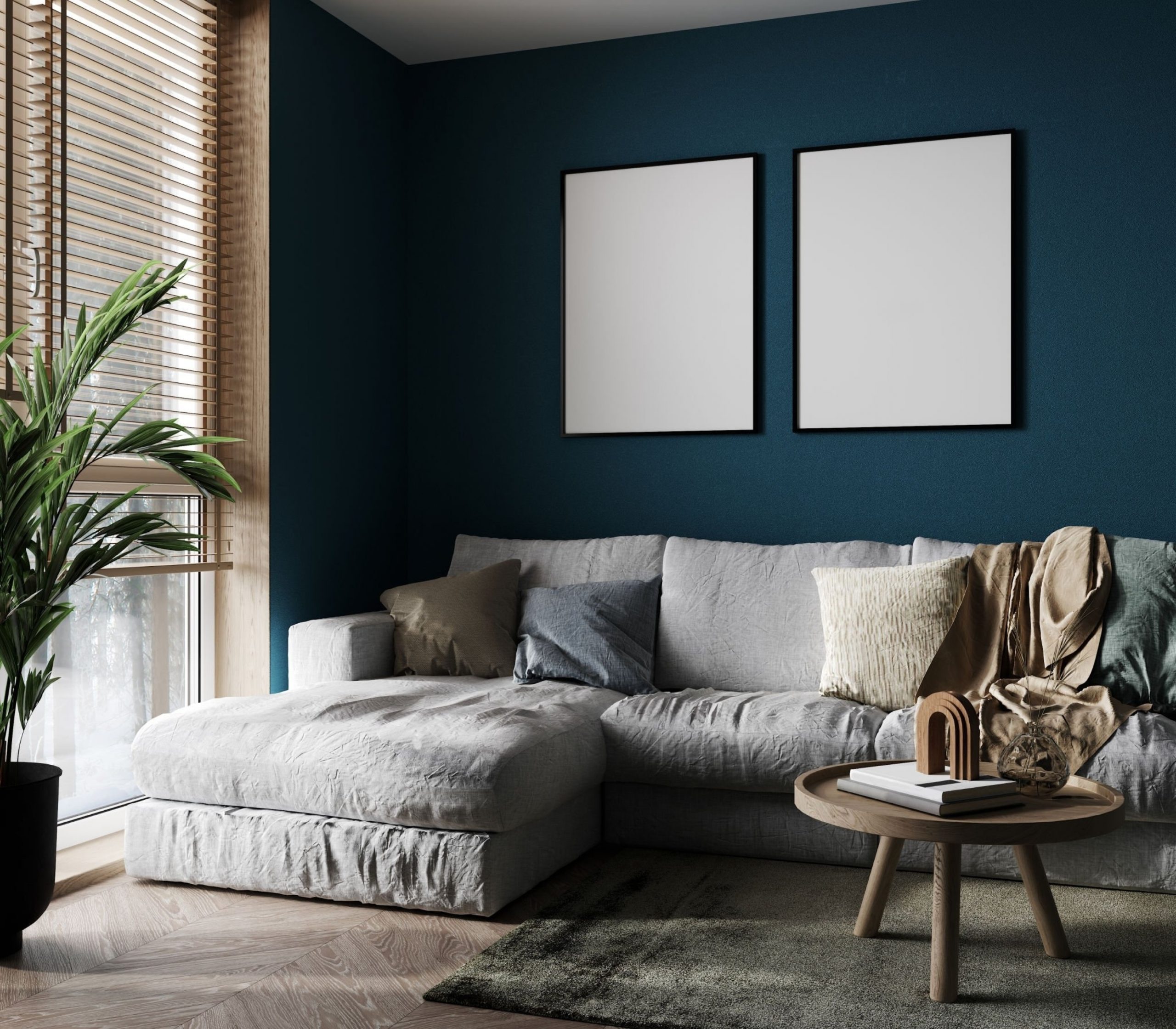
Due to it being such a durable, flexible, inexpensive and strong performing material, polyester has become one of the most ubiquitous fabrics throughout the world. In India polyester is an important component of the fibres that are used in making furniture and furnishings for the home. In addition to these applications polyester is widely used in the hospitality and commercial interior markets and is used in cars, clothing and many other types of industrial textiles. Manufacturers and designers appreciate polyester’s combination of strength and design versatility.
With the modern emphasis on creating durable and visually attractive products the development of polyester has evolved dramatically with new textile technologies. Today, there are a vast variety of textures, finishes, weaves and treatments that are within the polyester category that have enhanced its utility. Thereby polyester is now suitable for use in both the residential and commercial environments and has a great deal of flexibility to meet the variety of design and functional needs of the end-user consumer.
The increased demand for multi-functional and durable textiles has prompted leading polyester manufacturers to invest in innovative and sustainable production methods. Some of the most established companies in this market include Response Fabrics. This company is a recognised supplier of upholstery and furnishing textiles manufactured to meet the evolving needs of contemporary interiors and commercial applications.
What Are Polyester Fabrics?
The fiber known as polyester is synthetically made by a chemical reaction to produce hard plastic and then create yarn from it to make fabric via either weaving or knitting.
Apart from being popular because of its high performance-to-price ratio, polyester fabrics also bring users many benefits; they are incredibly strong compared to most fabrics, and they do not require much (if any) ironing (wrinkle free) nor lose their color or shape through regular wear-and-tear.
Additionally, polyester can be blended with other types of fibers or processed with technical processes that increase softness, breathability, stain resistance, and overall performance. Because of its many beneficial aspects, polyester is widely used as an upholstery material in the furnishing industry.
Why Polyester Fabrics Are Widely Used
Polyester has become popular in the fabric industry because of its many great benefits.
Durability is probably the biggest reason for the popularity of polyester. Because polyester fibers are very abrasion-resistant, tear-resistant, and stretch-resistant, they are frequently used for furniture upholstery, commercial seating, and other applications where high durability is necessary, especially for items that experience a lot of wear and tear.
Color retention is another big advantage of polyester. Polyester fabrics retain dyes very well; as a result, manufacturers can produce fabrics with many bright colors and detailed designs that continue to be appealing to the eye over time.
Polyester fabrics are also fairly easy to take care of. Most polyester fabrics resist wrinkling and dry quickly, and they require very little upkeep when compared to many natural fiber products. This makes polyester fabrics popular for use in both residential and commercial areas.
Also, many new polyester fabrics can be engineered with properties like waterproofness, stain resistance, antimicrobial protection, fire retardancy, and improved durability, making them appropriate for use in some of the most demanding environments.
Types of Polyester Fabrics
The versatility of polyester allows manufacturers to create a wide range of fabric types designed for different applications and performance requirements.
Woven Polyester Fabrics
Made by weaving polyester yarns into a tightly woven pattern, Woven polyester fabrics have exceptional strength and durability, maintaining their shape, which is why they are popular for making upholstery and furniture covers, curtains, and other home furnishing products. The firm construction of woven polyester fabrics supports the rigors of everyday use, making them suitable for high-traffic areas like offices, hotels, restaurants, and public seating areas.
Knitted Polyester Fabrics
Knitted polyester fabrics are made by creating a series of interconnected loops of yarn. Knitting creates a softer, more flexible fabric than woven polyester fabrics. Knitted polyester fabrics can be used for making upholstery, decorative furnishings, or any application where comfort and ease of movement are necessary given that they have a smooth surface and stretch
Polyester Mesh Fabrics
The open structure of mesh polyester fabrics allows for air circulation and permits both strength and flexibility within these textures. For use in office seating, ergonomic furniture, and specialty commercial applications requiring breathability.
Printed Polyester Fabrics
Digital printing advancements have allowed manufacturers to create polyester fabrics with highly detailed designs, patterns, and custom graphics. Printed polyester fabrics are commonly used in hospitality, decorative furnishings, and commercial interiors.
Recycled Polyester Fabrics
Sustainability has become a major consideration in the textile industry, as recycled polyester is made from recycled plastics/fibres, providing an eco-friendly alternative without sacrificing the performance benefits of traditional polyester.
Manufacturing Process of Polyester Fabrics
Polyester fabric manufacturing is accomplished through several controlled processing steps to convert raw material into a finished fabric that can be used for a number of different applications.
Polymer Production
The manufacturing process begins with the creation of polyester polymers through a chemical reaction involving purified terephthalic acid and ethylene glycol. These compounds are combined under controlled conditions to form a molten polymer material.
Fiber Extrusion
The molten polymer is then forced through spinnerets, which are specialized devices containing numerous small openings. As the material passes through these openings, continuous polyester filaments are formed.
These filaments are cooled and solidified before being stretched to increase strength and improve fiber characteristics.
Yarn Formation
Once the fibers have been produced, they are spun into yarns of varying thicknesses and constructions depending on the intended application. The yarn production stage plays a significant role in determining the texture, strength, and appearance of the final fabric.
Fabric Construction
The fibers of polyester yarns are constructed into textile materials through advanced processes; fabrics made with yarns that were manufactured through different weaves or knitting patterns will result in various types of textured finishes and different kinds of fabrics suitable to be used in either upholstery or other forms of commercial seat cover fabric as well as for decorative purposes.
Finishing Treatments
Once the fabric has been made, they are often run through special finishing processes that either improve their function or improve the look of the finished fabric; examples of these treatments can include water resistant properties, stain resistant properties, antimicrobials, fire retardants, anti-static and soft-feel characteristics of the finished fabric.
The finishing stage is primarily critical for both the upholstery material as well as the commercial body covers used in commercial applications where there are certain standards that are required to be met.
Applications of Polyester Fabrics
The versatility of polyester fabrics allows them to serve numerous industries and interior applications.
Upholstery and Furniture
Polyester fabrics are extensively used for sofas, recliners, chairs, modular furniture, and hospitality seating because of their durability and ease of maintenance.
Home Furnishings
Curtains, cushions, wall panels, decorative accents, and other furnishing elements frequently utilize polyester due to its versatility and visual appeal.
Hospitality Interiors
Hotels, resorts, restaurants, and lounges tend to choose polyester fabric due to its ability to endure heavy usage and maintain its appearance through time.
Commercial and Office Spaces
Office chairs, work stations, waiting areas and collaborative spaces typically use polyester as upholstery material for its durability and professional appearance.
Auditorium and Cinema Seating
Polyester is frequently used to cover seats in multiplexes, auditoriums and other entertainment venues where the seat coverings must provide both comfort and long-term performance.
Response Fabrics: Delivering Advanced Polyester Fabric Solutions
As one of the recognized polyester fabric manufacturers serving India’s furnishing and upholstery sector, Response Fabrics offers an extensive range of textile solutions designed for modern interior applications.
The company’s product portfolio includes polyester upholstery fabrics, knitted materials, mesh fabrics, printed textiles, polyester leatherite, recycled cotton blends, jacquard fabrics, and non-woven solutions suitable for residential, commercial, hospitality, and entertainment environments.
Response Fabrics combines the technical characteristics of its fabrics with their aesthetic versatility to be used throughout the modern-day interior market while still maintaining a high level of quality and durability.
Most of their upholstery fabrics have an additional level of technology applied to them, including fire-retardant protection, stain resistant capabilities, water-repellent finish, antimicrobial treatments, anti-static properties, and biodegradable options. All of these characteristics allow Response Fabrics to offer a line of products that deliver both performance and design.
With their continued investment in innovative products, quality manufacturing processes, and product solutions that focus on the needs of its customers, Response Fabrics will maintain its position as an important partner for architects, furniture manufacturers, interior designers, and commercial development projects throughout India.
Conclusion
Polyester is one of the main fabrics used today because it is very durable, flexible, inexpensive and adjusts well. Polyester is used in many different areas of today’s fabric manufacturing, such as home furnishings, upholstery, hotel interiors and commercial seating. As a result, polyester fabric manufacturers continue to find new ways to provide their customers with innovative solutions to their changing needs.
Manufacturers of polyester fabrics are also expanding their product offerings to include more advanced textiles than ever before. For example, Response Fabrics is making significant contributions to the advancement of textiles with innovative solutions that provide both the aesthetic appeal and functionality for consumers.
With the continuous advancement of technology in textile manufacturing and an increasing demand for performance-based products, polyester fabrics will continue to be one of the most popular fabrics and widely used textiles in the furnishing and interior design industry in India.
FAQs
What are polyester fabrics used for?
Polyester fabric is used in upholstery, sofas, recliners, home goods, office furniture, hospitality, curtains, wall panels and some commercial seat applications.
Why are polyester fabrics popular in furniture manufacturing?
Polyester fabric has excellent durability, colorfastness, easiness to maintain, wrinkle resistance, and longevity which make it the best choice for furniture upholstery.
Are polyester fabrics suitable for commercial interiors?
Yes, polyester fabric is used extensively in hotels, offices, restaurants, movie theatres, and auditoriums because of its ability to withstand heavy use and maintain good appearance.
What is the difference between woven and knitted polyester fabrics?
Woven polyester fabric has more structure and durability, while knitted polyester fabric has more softness, flexibility and comfort.
Do polyester fabrics come with performance features?
Many of today’s polyester fabrics are now being manufactured with advanced performance features such as stain resistance, water repellency, antimicrobial protection, fire retardant treatments, and anti-static characteristics.