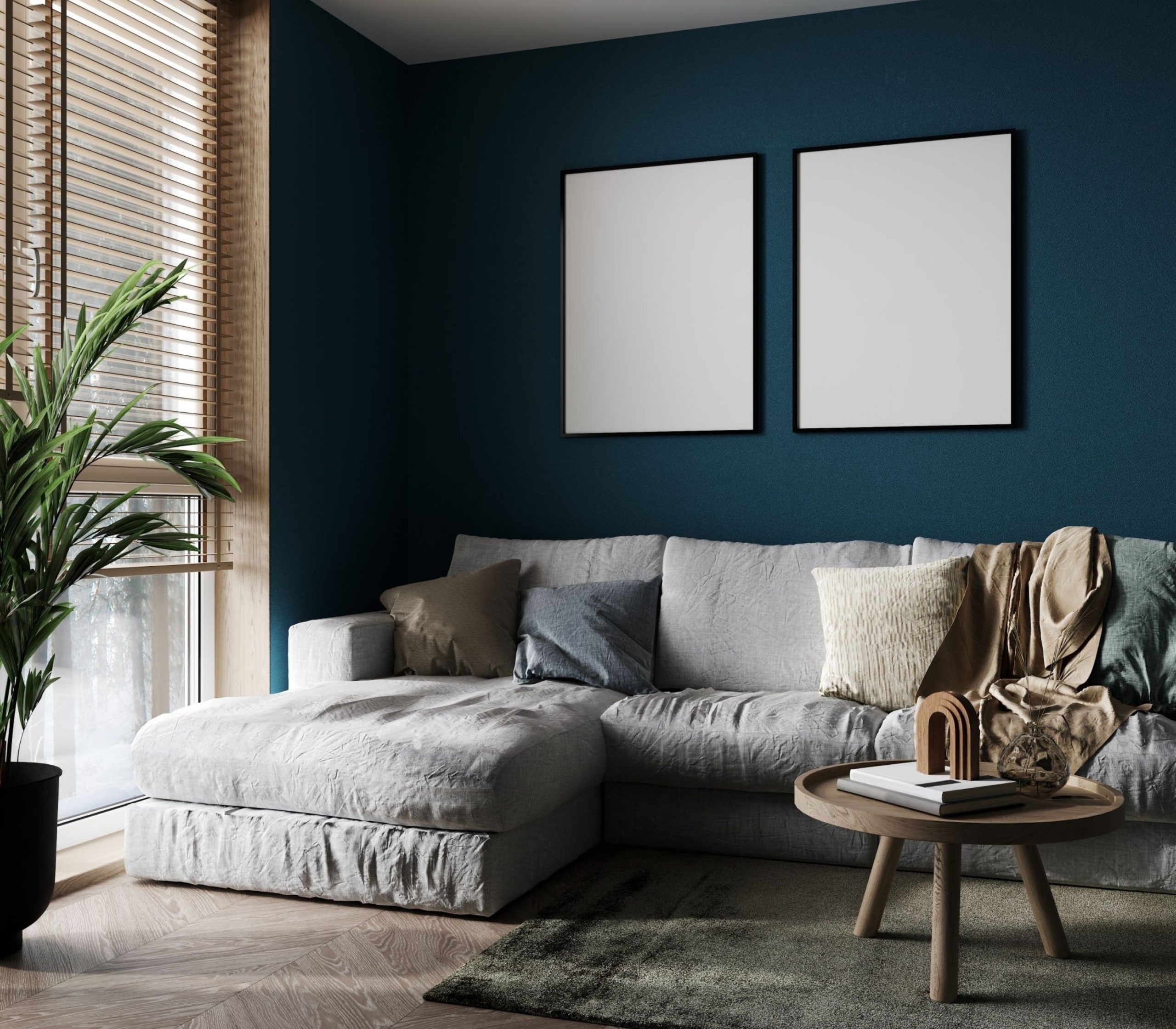
The best fabrics for home decor in India are polyester blends, crepes, jacquards and treated leatherite, because they resist moisture, dry quickly and hold colour under strong sun. Untreated cotton, silk and velvet absorb humidity and invite mould. Look for water-repellent, stain-repellent and antimicrobial finishes. At Response Fabrics, an ISO 9001 certified manufacturer based in Ghaziabad, we build these finishes into upholstery and furnishing fabrics made for everyday Indian homes.
Why Does Indian Weather Damage Sofa and Curtain Fabrics So Quickly?
Indian weather attacks fabric from three directions at once. Summer sun above 40°C breaks down dyes and weakens fibres. Humidity of 70 to 90 per cent during the monsoon traps moisture inside cushions, which feeds mould and leaves a musty smell. Dust and muddy footwear add grime to the weave.
- Heat causes fading and brittleness.
- Humidity causes mildew and odour.
- Rain and spills leave stains and watermarks.
Which Fabrics for Home Decor Work Best in Hot and Humid Climates?
Synthetic and blended weaves work best because they absorb very little water and dry fast. Polyester, crepe, jacquard and knitted fabrics keep their shape through damp months and resist fading better than pure natural fibres. Treated leatherite suits homes with children and pets, since spills wipe off in seconds. Choose tighter weaves for sofas and a lighter, breathable curtain fabric for windows that stay open.
Polyester Crepe for Daily Use
Polyester crepe feels soft, sheds water and copes with the daily wear of a busy family living room.
Leatherite for Spills and Pets
Leatherite, often called rexine, handles spills and pet hair with ease. However, it feels warm on bare skin in May and June, so it suits air-conditioned rooms best.
How Do You Choose a Monsoon-Proof Sofa Fabric?
Check the finish before the colour. A monsoon-proof sofa fabric should carry three treatments that stop moisture problems before they start.
- Water repellent: liquid beads on the surface instead of soaking in.
- Stain repellent: tea, curry and mud lift off with a damp cloth.
- Antimicrobial: the finish slows mould, mildew and odour-causing bacteria.
Ask the seller for test details, not just a label.
Response Fabrics offers fabrics with all three finishes, along with fire-retardant and anti-static options. We supply the same water-repellent upholstery to offices and cinema halls, so your sofa gets commercial-grade durability without the commercial look.
Are Cotton and Jute Good Home Furnishing Fabrics for Indian Homes?
Cotton and jute feel cool and look beautiful, yet pure versions struggle in humid regions. They absorb moisture, shrink after washing and develop mildew in poorly ventilated rooms. In coastal cities such as Mumbai and Chennai, blends are the safer choice. Poly recycled cotton keeps the soft, natural hand of cotton while drying faster, and jute blends add earthy texture to cushions and wall panels.
How Can You Stop Curtains and Upholstery From Fading in Summer?
Fading comes from direct ultraviolet light, so placement matters as much as fabric choice. Pick a fade-resistant fabric, such as solution-dyed or deep-toned polyester, for sunny rooms. Line curtains that face west or south, and rotate cushions every two or three weeks. Draw sheers between noon and 4 pm. Beige, sand and grey also hide minor colour loss better than bright reds or blues.
Good fabrics for home decor should also be easy to live with. A weekly vacuum keeps treated fabric fresh for years.
Why Do Homeowners Trust Response Fabrics for Climate-Ready Interiors?
Homeowners come to us for factory-direct quality and range. We hold ISO 9001 certification, operate from Ghaziabad and keep about 700 SKUs in stock, so popular shades rarely run out mid-project. Collections such as COSTA, BOND, LUNA and MICA span a wide spread of colours and textures. Clients including Tata, Infosys and Herman Miller already trust these fabrics in demanding commercial spaces.
See It Before You Buy
Our AI Visualizer previews a fabric on your own furniture. For custom prints, we move through design, physical sampling and production, so you touch the real swatch first. That removes the guesswork behind buying fabric online.
Frequently Asked Questions
Which sofa fabric is best for the monsoon in India?
Water-repellent polyester or treated leatherite works best during the monsoon. Both resist moisture, dry quickly and wipe clean after spills. Avoid untreated velvet, linen and silk, because these fabrics absorb humidity, hold odours and attract mould within a few damp weeks.
How do I remove a musty smell from upholstery?
Open windows on a dry day and let fresh air reach the fabric. Sprinkle baking soda over the cushions, leave it overnight and vacuum it off. If the smell returns, the foam may hold damp, so replace it and choose antimicrobial fabric.
What curtain fabric keeps a room cool in hot weather?
Tightly woven polyester or blackout curtains with a light-coloured backing reflect heat and block glare. Lined curtains on south- and west-facing windows can noticeably lower room temperature. Pair them with breathable sheers for daytime airflow and keep heavy layers closed in the afternoon.
How often should upholstery be cleaned during the monsoon?
Vacuum upholstery and curtains once a week during the monsoon to lift dust and spores. Spot-clean spills immediately with a damp cloth. Schedule a professional deep clean before the rains and again after them, especially in coastal or high-humidity cities.