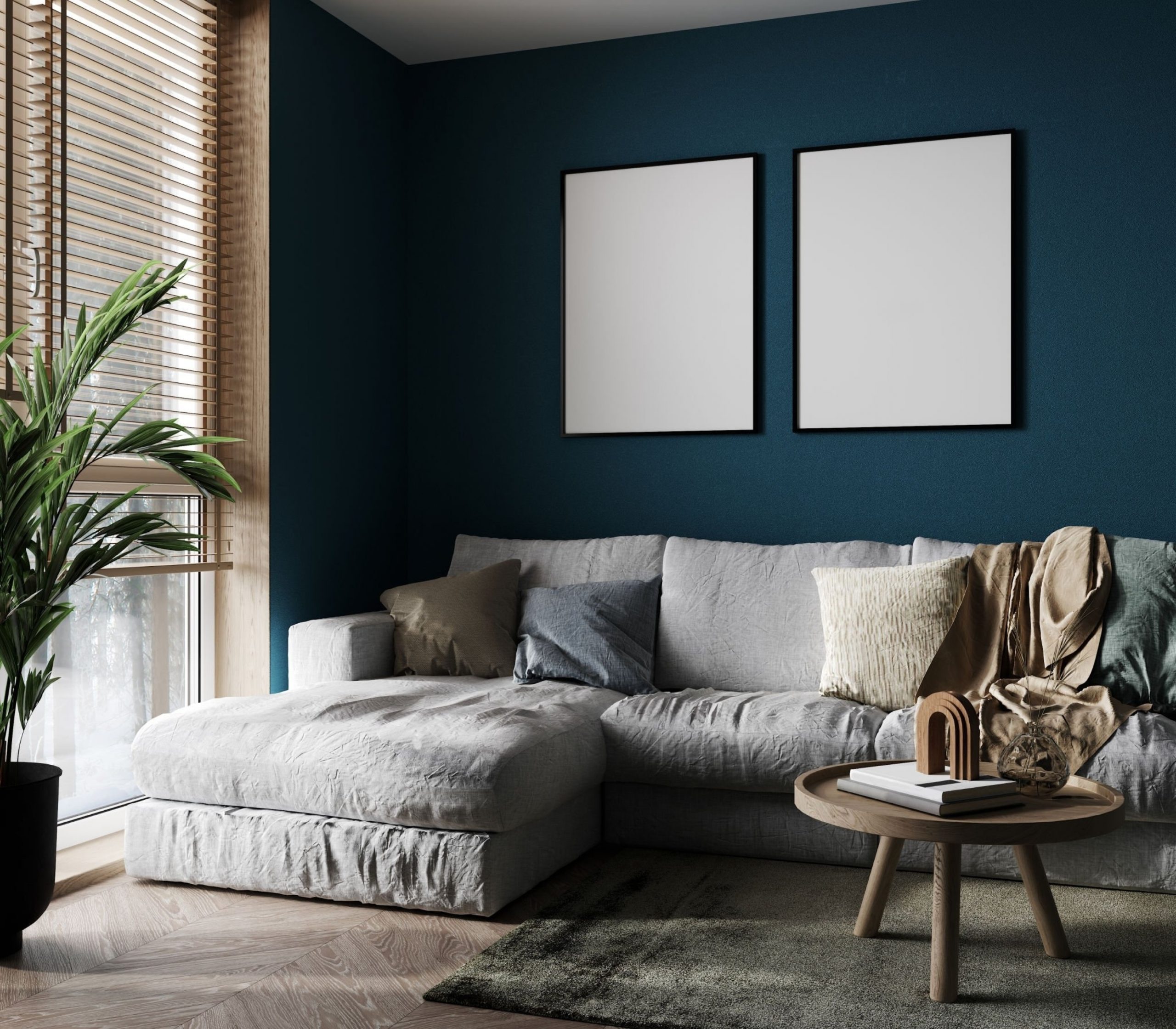
The modern office is changing drastically. In the last 10 years, many businesses have placed more emphasis on creating an office environment that enables productivity and efficiency through collaboration; promotes overall well-being of employees; and builds a strong corporate image. Today’s commercial interior design has moved away from the focus on functional use alone to include consideration of how workspace design can positively affect employee satisfaction, efficiency and general morale within the workplace.
Commercial office furniture and materials are two of the most important elements in today’s offices. Furniture such as workstations/desks; seating options; partitions; and collaborative meeting areas combine to provide a comfortable and productive environment. While structural design and functionality of furniture are of great importance, it is equally important that the upholstery material chosen for each piece of furniture (i.e. office chair vs. office desk surface) also contribute to enhancing an employee’s level of comfort while simultaneously adding to the overall aesthetic qualities of the interior environment. For this reason, workstations should be a key consideration, both from a technical standpoint and from a design standpoint, when selecting commercial office interiors.
Workstation fabrics play a more crucial role than just looking nice. They impact comfort, durability, sound quality, ease of cleaning, and the functionality of workstations overall. There is continually increasing demand for advanced workstation textiles because companies are moving toward modern workplace concepts like open space and flexible environments.
As manufacturers work to point out the demands for more advanced workstation textiles, they are creating textile products that incorporate both aesthetics and performance-based functionality. In many instances, manufacturers are incorporating new technologies.
As one of India’s textile suppliers to the furnishings and upholstery markets, Response Fabrics is a well-regarded manufacturer of textile products for contemporary office spaces and the commercial market. By understanding the various types of workstation fabrics available, designers, office planners, furniture manufacturers and business managers can all make educated choices regarding how to develop modern work environments.
Understanding Workstation Fabrics
Workstation fabrics serve as unique textile materials for use in office furniture and interior office applications, usually referred to as workstation partitions, and include upholstered seating, panel desk systems, and cubicle systems, as well as acoustic and collaboration areas.
Generally, workstation fabrics meet the expected durability of commercial environments where furniture is frequently used for long periods of time. Whereas residential textiles have relatively short life cycles due to high levels of daily usage, workstation textiles are designed to maintain both their physical characteristics and their functional performance even after extended use.
Given that workstation textiles are common to the majority of work environments, they must provide the necessary balance of comfort, durability, and ease of maintenance. The selection of workstation fabric has evolved significantly with an increase in the number of textures, colors, patterns, constructions, etc., giving designers the ability to create a workspace or workplace interior that reflects their organization’s culture and design goals.
However, as the workplace continues to develop over time, the expectations of what constitutes a workstation fabric have expanded to include factors such as environmental responsibility, disease prevention, and enhancement of the work environment’s capabilities.
Why Workstation Fabrics Matter in Commercial Interiors
Commercial offices differ significantly from Residential environments in that Commercial offices are Generally much more active than Residential environments due to the fact there is constant Activity occurring at all times, all day long within (the) Commercial Office Environment. Employees continue to have ongoing interactions with their workstations, seating systems, partitions, and collaborative furniture.
Although materials selected for use within Commercial Office environments can have a substantial impact on the level of comfort and experience that employees have when working at their respective workstations (and) also affect overall maintenance costs and long-term durability.
Well-designed workstation fabrics may help to improve the overall aesthetics throughout a workplace, may help to minimize distractions, promote acoustic comfort, and may create an environment where employees are encouraged to focus and to become productive.
In addition, the design of the interiors of many offices often reflect a company’s professional image and corporate identity. The type and variety of the textures, colors, and materials used to furnish a workspace all contribute to how both Employees and Visitors will perceive a workspace when they visit it.
Thus, when selecting which workstation fabrics to use, these decisions are considered an investment. Such Investments have an impact both; on how functional the Workstation will be, and on how customers and clients perceive that company’s Brand.
Essential Features of High-Quality Workstation Fabrics
Several characteristics should be carefully considered when selecting fabrics for commercial office interiors.
Durability and Abrasion Resistance
Because office furniture is utilized regularly, durability is a very important requirement for workstation fabrics. Employees have continuous interaction with workstation panels, seating systems, and collaborative furniture during their typical work day.
Fabrics that are manufactured with high-quality materials will have a great deal of resistance to abrasion, tearing, and general wear and will maintain their appearance for extended periods of time. Durable fabric will therefore reduce the frequency of replacements and allow for the control of maintenance expenses for the company.
Stain Resistance and Easy Maintenance
Whether it’s eating food, spilling coffee or cleaning frequently, there are many scenarios where the commercial office environment will require the use of fabrics, and therefore all office fabrics should be easy to clean and resistant to marked surfaces.
By using stain-resistant materials in workstations, we can simplify cleaning processes and help make sure the workstation furniture will always appear clean and professional. For large companies/organizations, the ability to maintain a constant appearance of their workstations is highly valued.
Comfort and Texture
Long hours spent on workstations will require consideration of comfort. All workstation fabrics should be made from comfortable materials and help create positive experiences for users of the workstation.
If employees find that some workstation surfaces feel too rough or too uncomfortable, it could negatively impact their satisfaction with their job. The use of comfortable surfaces will also provide employees with a warm and inviting feeling in the workplace
Acoustic Performance
Many modern workplaces incorporate open layouts designed to encourage communication and collaboration. However, these environments often create acoustic challenges due to increased noise levels and reduced privacy.
Workstation fabrics are frequently used on partitions and acoustic panels that help manage sound and reduce distractions.
Improved acoustic performance contributes significantly to employee concentration and workplace productivity.
Fire-Retardant Properties
Safety remains an important consideration in commercial interiors. Fabrics used within office environments often require performance characteristics that support safety standards.
Fire-retardant workstation fabrics help reduce risks and contribute to compliance requirements within commercial spaces.
Antimicrobial and Hygiene Benefits
Recent workplace trends have increased awareness regarding hygiene and employee well-being.
Workstation fabrics incorporating antimicrobial properties help reduce microbial growth and contribute to healthier working environments.
This feature has become increasingly important for organizations seeking to maintain cleaner and safer workplaces.
Applications of Workstation Fabrics in Modern Offices
Workstation fabrics support a wide variety of office applications beyond traditional cubicle systems.
Office Seating
Office chairs frequently use workstation fabrics because they require durable and comfortable materials capable of handling prolonged usage.
Partition Systems
Fabric-covered workstation partitions remain widely used for creating privacy and organizing workspaces within open-plan offices.
Collaborative Spaces
Modern offices increasingly include informal meeting zones and collaborative seating arrangements that rely on upholstered furniture and soft furnishings.
Acoustic Panels
Acoustic panels covered with workstation fabrics help manage noise levels while adding visual interest to interior environments.
Reception Areas and Lounge Spaces
Reception zones and visitor seating areas frequently incorporate workstation fabrics that contribute to both aesthetics and functionality.
Response Fabrics: Supporting Modern Office Environments
Response Fabrics has built a strong reputation within India’s upholstery and furnishing industry through its extensive range of textile solutions designed for commercial, hospitality, residential, and institutional applications.
The company offers products suitable for office furniture and workstation systems including:
- Upholstery fabrics
- Mesh materials
- Jacquard fabrics
- Polyester leatherite solutions
- Knitted textiles
- Printed materials
- Recycled cotton fabrics
- Specialized furnishing products
Response Fabrics serves multiple commercial applications including workstation systems, office seating, modular furniture, wall panelling, hospitality interiors, and acoustic solutions.
One of the key strengths of Response Fabrics lies in its emphasis on combining visual sophistication with practical functionality.
Many of their products include advanced characteristics such as:
- Fire-retardant properties
- Water-repellent finishes
- Stain-resistant technology
- Antimicrobial treatments
- Anti-static properties
- Biodegradable fabric options
These features help create office environments that support comfort, durability, and long-term operational efficiency.
Emerging Trends in Workstation Fabrics
Several important trends continue to shape the development of workstation materials.
Sustainability has become increasingly important as businesses seek environmentally responsible furnishing solutions.
Performance fabrics offering multiple benefits such as stain resistance and antimicrobial protection continue to gain popularity.
Textured fabrics and sophisticated neutral color palettes are also becoming common because they contribute to visually appealing office environments.
Flexible workplace designs are driving demand for modular and adaptable textile solutions that support evolving office layouts.
Conclusion
Workstation fabrics play an essential role in shaping modern commercial office interiors by influencing comfort, aesthetics, productivity, and long-term performance.
Selecting the right materials requires careful consideration of durability, maintenance requirements, acoustic benefits, comfort, and safety features.
As organizations continue to invest in workplace experiences and employee well-being, demand for high-performance workstation fabrics will continue to grow.
Response Fabrics supports this evolving market by providing innovative furnishing solutions that combine functionality, durability, and contemporary design requirements for modern office environments.
FAQs
What are workstation fabrics used for?
Workstation fabrics are commonly used in office seating, cubicle systems, workstation partitions, acoustic panels, collaborative furniture, and commercial interiors.
Why are workstation fabrics important in offices?
Workstation fabrics improve durability, comfort, workplace aesthetics, acoustic performance, and overall employee experience within office environments.
What features should good workstation fabrics have?
High-quality workstation fabrics should provide durability, stain resistance, comfort, fire-retardant properties, antimicrobial benefits, and easy maintenance.
Can workstation fabrics improve office acoustics?
Yes, workstation fabrics used in acoustic panels and partition systems can help reduce noise and improve workplace concentration.
Why choose Response Fabrics for workstation solutions?
Response Fabrics offers high-quality textile materials with advanced performance characteristics designed specifically for modern commercial and office environments.