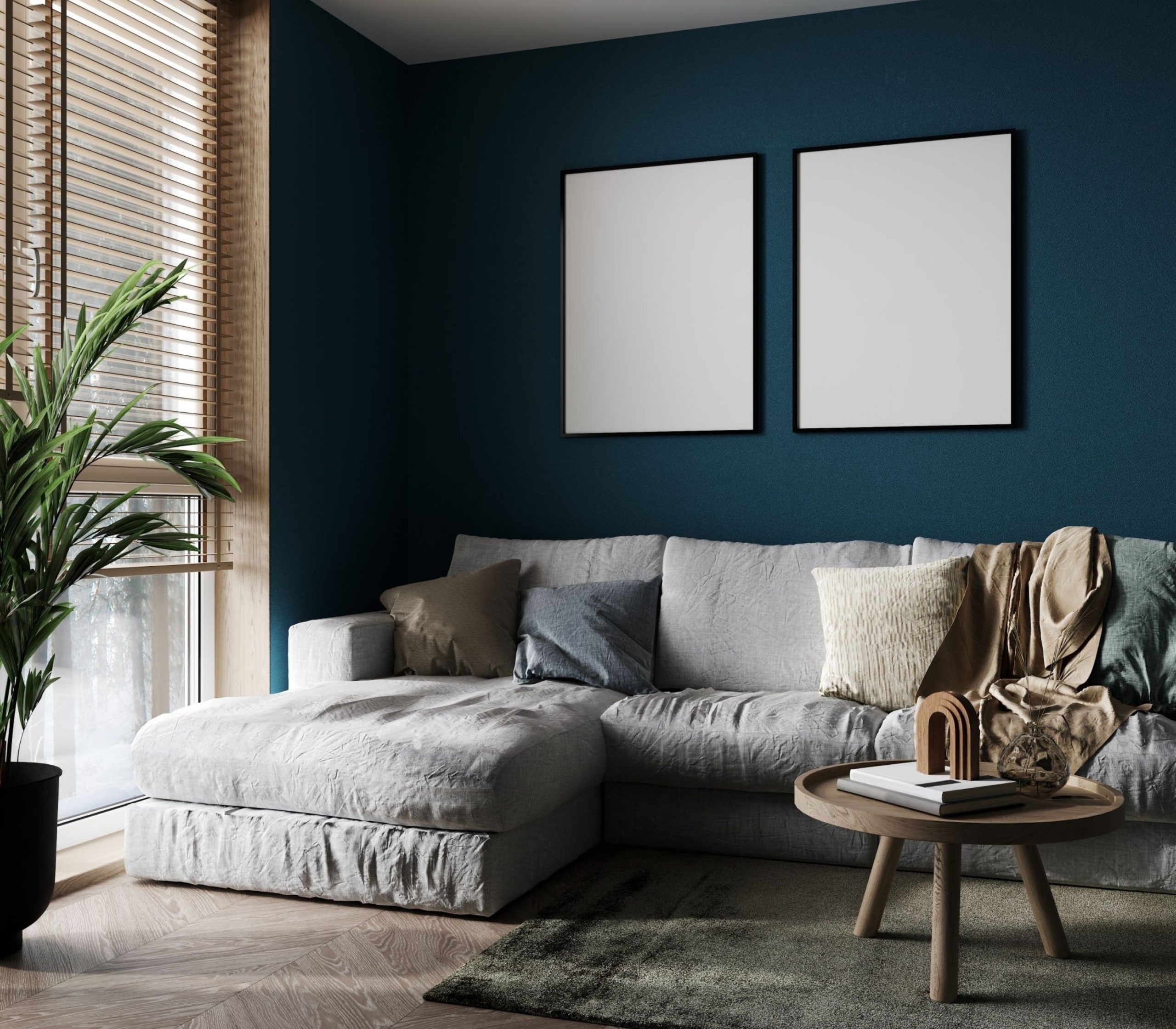
The best interior design fabric for a luxury hotel room pairs a rich, soft hand feel with commercial strength. Suede-finish fabrics, jacquards, textured weaves and faux leather suit headboards, beds and seating best. Each option should carry fire retardant, stain-resistant and antimicrobial finishes. Guests notice texture first, while housekeeping teams notice wear. A room that still looks fresh after three busy years of constant daily use shows true, lasting luxury.
What Should You Look for in a Hotel Room Upholstery Fabric?
Look for a fabric that survives heavy daily use without losing its colour or shape. Hotel upholstery fabric faces luggage scrapes, room-service spills and constant cleaning, so performance matters as much as appearance. Check these points before you approve any sample:
- A Martindale rating above 30,000 rubs for chairs and sofas
- Certified fire retardant treatment
- Stain and water repellent finishes
- Strong colourfastness for pieces placed near windows
Which Fabrics Work Best for Hotel Headboards and Beds?
Suede-finish fabrics, jacquards and textured weaves suit headboards best, because guests touch these surfaces often and see them up close. Headboards face little abrasion, so you can choose softer and richer textures here. Jacquard adds a woven pattern that never fades like a print, and suede gives a calm matte depth that photographs beautifully. Pick mid-tone shades, since pale colours soon show marks.
What Is the Best Fabric for Hotel Sofas and Lounge Chairs?
Faux leather and tightly woven or knitted polyester fabrics perform best on hotel sofas and lounge chairs. These pieces take the hardest use in any room, from guests working late to children bouncing on cushions. Faux leather wipes clean in seconds, and quality polyester resists pilling. Request a stain-repellent finish for chairs near the minibar or desk, where accidents happen most.
Do Hotel Rooms Need Fire Retardant Fabrics?
Yes. Many fire codes and almost every international hotel brand standard require fire retardant fabrics for upholstery, curtains and wall panels in guest rooms. Treated textiles slow the spread of flame and give occupants precious time to leave safely. Before you sign off any interior design fabric, ask the supplier for test certificates against your project standard, such as BS 5852 or NFPA 701.
How Do Stain-Resistant and Antimicrobial Fabrics Help Hotels?
These finishes cut cleaning time and extend the life of every soft furnishing in the room. A stain-resistant coating stops coffee and red wine from soaking into the fibres, so staff can simply blot spills away. Antimicrobial treatment limits odour-causing bacteria on seats and headboards. As a result, rooms stay fresher between deep cleans, and hotels reupholster far less often.
Which Interior Design Fabric Suits Hotel Walls and Acoustic Panels?
Lightweight polyester and knitted fabrics suit hotel walls and acoustic panels, because they stretch evenly over frames and hold their shape. Fabric-wrapped panels soften sound between rooms and add a warmth that paint cannot match. A printed or textured face fabric then carries the design story. Quiet rooms help guests sleep well, and good sleep often earns more praise in reviews than décor.
Why Do Hotel Designers Choose Response Fabrics?
Response Fabrics gives designers one ISO 9001 certified source for upholstery, faux leather, suede and wall panelling fabrics. Its ranges offer fire retardant, water repellent, stain repellent, anti-static and antimicrobial options, along with biodegradable fabrics for projects with green targets. The Ghaziabad manufacturer already supplies names such as Tata, Infosys and Herman Miller, and it brings that same contract discipline to hospitality work.
Custom Designs That Match Your Hotel Brand
Hotel groups often want a colour or pattern that belongs only to them. The process runs in three stages: design, physical sampling and full production. You approve colour and texture on a real swatch before bulk production begins. An online AI visualiser also previews fabrics on furniture before sampling.
Ready Stock for Tight Refurbishment Deadlines
Renovations run on strict schedules, and one missing fabric can stall a floor. Response Fabrics holds around 700 SKUs in stock and commits to short delivery windows on standard items. Collections such as COSTA, LUNA, MICA and BOND offer a ready starting point for guest rooms.
Frequently Asked Questions
What is the most durable fabric for hotel furniture?
Faux leather and high-density polyester weaves are the most durable choices for hotel furniture. Both resist abrasion, hold colour under sunlight and clean easily after spills. For heavy-use seating, select a fabric tested above 30,000 Martindale rubs with a stain-repellent coating.
Is velvet a good choice for luxury hotel rooms?
Velvet works well on headboards, ottomans and accent chairs, where it adds depth and softness. Choose performance velvet made from polyester rather than cotton, as it resists crushing and staining. Avoid it on busy seating near desks and dining tables.
How often should hotels replace room upholstery?
Most hotels refresh soft furnishings every five to seven years as part of a planned renovation cycle. Regular vacuuming, prompt spill treatment and professional cleaning twice a year help commercial-grade upholstery keep its original colour and rich texture for much longer.
Which colours hide best in hotel fabrics?
Mid-tone shades such as taupe, slate, olive and warm grey hide wear better than very light or very dark colours. Subtle textures and small woven patterns also disguise minor marks. Keep pale ivory fabrics for cushions that staff can replace easily.