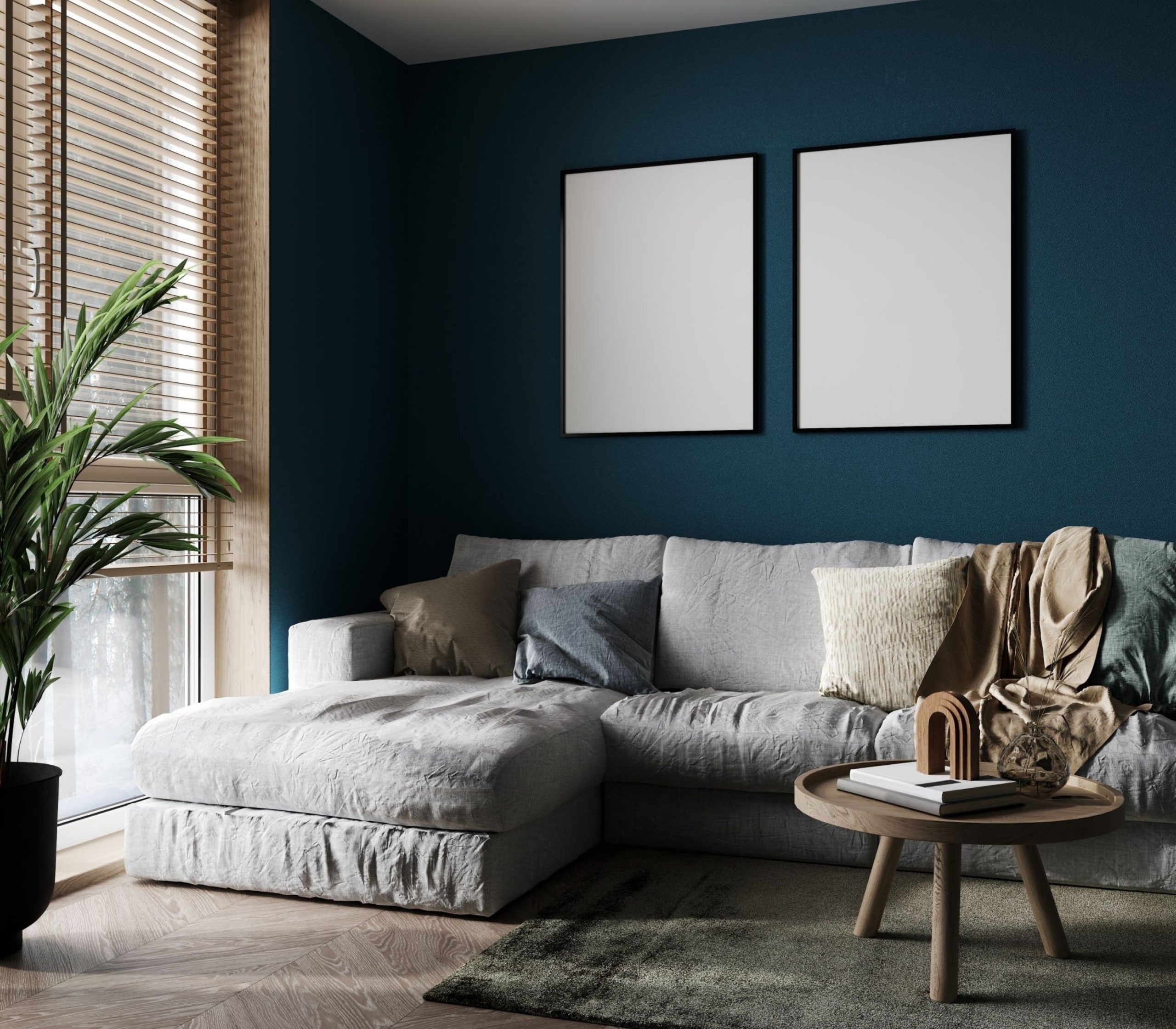
Brocade sits at the heavy end of the decorative weave family, and that weight changes how the cloth behaves at a window. Some rooms carry it beautifully. Others look crowded within a week. This guide from Response Fabric covers what the fabric actually is, where it earns its place as drapery, and which specifications to confirm before you commit to an order.
What is Brocade Fabric, and how does a jacquard weave build its raised pattern?
A brocade is a figured cloth woven on a jacquard loom, where extra weft yarns float across the base weave to build a raised motif. Weavers once used silk with zari thread. Polyester and viscose blends now dominate the market. The pattern lives inside the structure, so it will not peel, crack or wash off the way a print eventually does.
- The jacquard loom lifts each warp thread independently, which allows dense, detailed motifs
- Supplementary weft yarns form the design and leave loose floats across the reverse
- Furnishing grades run heavier than dress grades, usually 250 gsm and above
- Damask reverses light and shade, while brocade raises texture you can feel
Is brocade suitable for curtains, or does it belong on upholstery instead?
Brocade performs at a window once you pick a furnishing weight and line the panels properly. The cloth hangs with the body, filters daylight and holds its pleats for years. Dress-weight Brocade Fabric disappoints in the same position. It creases, glows at the motif when backlit and shows every hook. Judge any roll by its specification sheet, never by a swatch under shop lighting.
- Suits formal drawing rooms, hotel suites, banquet halls and festive interiors
- Struggles in kitchens, bathrooms and windows that take harsh afternoon sun
- Needs a lining, a heavy-duty track and enough stack-back space at the sides
Which specifications matter when choosing brocade fabric for curtains in India?
Weight, width and finish decide the outcome. Most Indian homes want 250 to 350 gsm cloth, a usable width of 54 to 58 inches and a stain repellent finish. Coastal cities add humidity to the brief, so an antimicrobial treatment earns its cost. Hotels and banquet halls almost always require flame retardant cloth, specified before dyeing rather than sprayed on afterwards.
- Weight: 250 to 350 gsm falls properly across a full-length drop
- Width: 54 to 58 inches keeps a seam out of the centre of the panel
- Motif repeat: a large repeat raises consumption, so measure the drop first
- Colour fastness: confirm the rating before you dress a west-facing window
How should you line, hang and maintain brocade curtains at home?
Line every panel without exception. The floating threads on the reverse snag on hooks, rings and bangles, and a lining shields them while improving the fall. Hang the finished panels from a track rated for heavy drapery. Treat brocade fabric for curtains in India as a dry-clean item, particularly in cities where dust settles quickly on a textured surface.
- Vacuum monthly on low suction with a brush head, never a bare nozzle
- Steam the panels while they hang instead of pressing the motif flat
- Swap the left and right panels yearly so sunlight fades both evenly
- Keep zari weaves clear of halogen lamps, heat sources and damp walls
Why do interior designers source drapery-weight jacquards from Response Fabrics?
We weave jacquard at our own Ghaziabad plant, which puts weight, width, colour and finish under our control rather than a trader’s stock list. Our Interior range covers drapery, cushions and wall panels in weights suited to a home, not a warehouse. An ISO 9001 system governs production, and fifteen years of supplying interior and hospitality projects stands behind every metre.
- Design, sampling and production run as three stages, so you approve a physical swatch before bulk starts
- Fire retardant, water repellent, stain repellent, anti-static and antimicrobial options go into the base cloth, not onto it
- We supply across India on both bulk and small orders, which spares smaller projects the usual minimum-quantity problem
- Tata, Infosys, IBM, Wipro and Herman Miller already specify our fabrics
- Our AI visualiser previews a chosen weave in a room setting before you release budget
Measure the drop, check the gsm and confirm the motif repeat before anything reaches the loom. Send your room dimensions, light exposure and colour brief to Response Fabrics, request a physical sample, then hang it at the window for two days before you approve bulk production.
Frequently asked questions
What is the difference between brocade and jacquard?
Jacquard names the loom and the weaving method. Brocade names one fabric made on it, built with supplementary weft yarns that raise a motif above the ground weave. Every brocade counts as a jacquard. That difference matters when comparing quotations.
Does brocade work as a blackout curtain?
Brocade blocks a large share of daylight on its own, yet it rarely reaches full blackout. Add a three-pass blackout lining behind the panel. The lining also protects the reverse floats and stops the motif from glowing when sunlight hits it.
How much fabric does a standard seven-foot window need?
A seven-foot drop across a five-foot window usually takes 8 to 9 metres for a pleated pair at double fullness, based on a 54-inch width. Large motif repeats push that figure higher, so confirm the repeat before your tailor cuts.
Will brocade curtains fade in Indian sunlight?
Strong sun dulls metallic zari and shifts deep dyes over time, particularly on west-facing windows. Ask for the colour fastness rating before ordering, fit a lining behind every panel, and rotate the pair once a year so both sides age evenly.
Can brocade curtains go in a washing machine?
No. Machine agitation pulls the floating threads on the reverse and flattens the raised motif, while zari tarnishes in ordinary detergent. Send the panels for dry cleaning once a year, and vacuum the surface gently between cleans to lift settled dust.