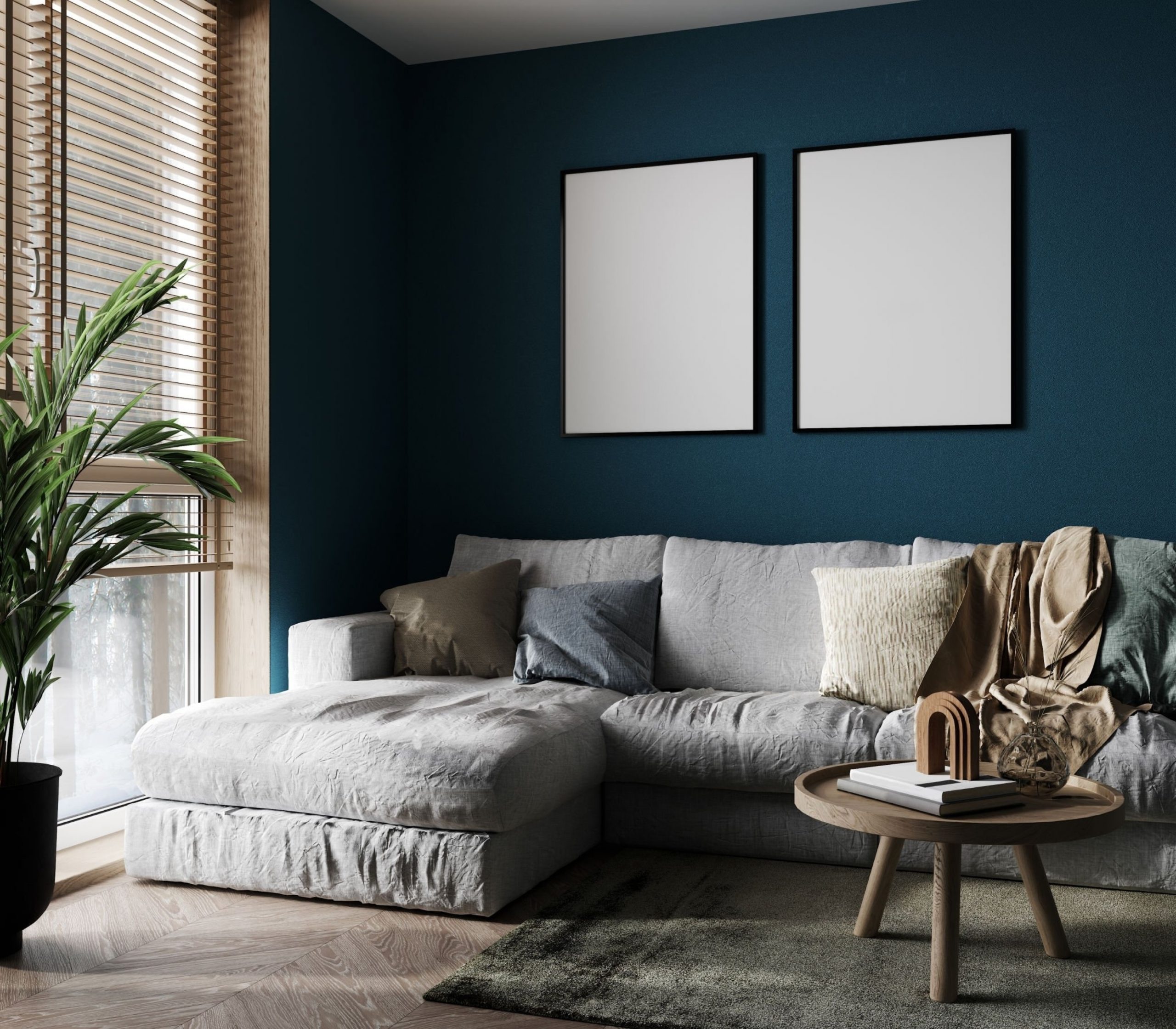
Leatherette fabrics typically outlast velvet fabrics and linen fabrics in high-traffic homes because their synthetic surface resists spills, scratches, and daily friction. Linen fabrics perform best in low-friction, well-ventilated spaces, while velvet fabrics sit in the middle — tough against wear but sensitive to sunlight and moisture. The real answer, though, isn’t which sofa fabric wins outright — it’s which one survives your household’s specific wear pattern.
Most people choose sofa fabrics by touch and colour, then discover the trade-offs two years later when the upholstery starts showing its age. This guide compares velvet, linen, and leatherette on the factors that actually determine lifespan — abrasion, spills, sunlight, and climate — and shows how fabric-level treatments can shift the outcome entirely.
What “Durability” Actually Means for Sofa Fabrics
Durability isn’t one number — it’s a combination of four separate stresses:
- Abrasion resistance – how the weave holds up to daily sitting, sliding, and friction (often measured in rub counts)
- Stain and spill resistance – how well the surface resists liquids soaking in and staining
- Light fastness – how well the fabric resists fading or weakening under sun exposure
- Climate tolerance – how the fabric behaves in humidity, heat, or dry indoor air
A fabric can score high on one and low on another, which is why “which fabric lasts longer” depends on which of these four stresses your sofa faces most.
Velvet Fabrics: Strong Weave, Weak Against Light and Liquid
Velvet fabrics score well on abrasion resistance — the dense pile construction is genuinely hard-wearing against everyday sitting and friction, which is why velvet remains a popular choice for statement sofas. Its weak points are light fastness and spill resistance: prolonged sun exposure flattens and fades the pile unevenly, and untreated velvet absorbs liquids quickly, making stains harder to lift once they set.
Performance velvets with a stain-resistant finish close much of this gap, resisting spills long enough to blot them before they set into the pile.
Ideal placement: Formal or low-sunlight living rooms, away from south-facing windows.
Linen Fabrics: Breathable, but the First to Show Wear
Linen fabrics are the most climate-tolerant of the three — the natural fibre breathes well and doesn’t trap heat, which is why it’s a common choice in warmer regions. Its trade-off is abrasion resistance: pure linen fibres thin and loosen faster under constant friction than a tightly woven synthetic, and it has the lowest spill resistance of the three, absorbing liquids almost instantly.
Blending linen with polyester or cotton at the manufacturing stage — rather than treating it after weaving — is what typically improves its wear life the most, since the strength comes from the yarn itself rather than a surface coating.
Ideal placement: Well-ventilated rooms with light-to-moderate daily use.
Leatherette Fabrics: Weakest Point Isn’t Wear, It’s Time
Leatherette fabrics lead on spill resistance and abrasion resistance by a wide margin — the synthetic surface simply doesn’t absorb liquids or fray under friction the way woven fabrics do. Where leatherette actually loses durability is less predictable: it’s not daily wear but age and heat exposure that eventually cause lower-grade leatherette to crack or peel, since the polyurethane coating stiffens over years of UV and temperature cycling. This is a coating-quality issue, not a usage issue — which is why the manufacturing grade of the leatherette matters more here than in the other two fabrics.
Ideal placement: High-traffic family rooms, homes with kids or pets, warm and humid climates.
Sofa Fabrics Durability Comparison
| Stress Factor | Velvet | Linen | Leatherette |
| Abrasion resistance | High | Moderate | Very High |
| Spill/stain resistance | Moderate | Low | Very High |
| Light fastness | Low-Moderate | Moderate | Moderate-High |
| Climate tolerance | Moderate | High | Moderate |
| Failure mode over time | Fading, flattening | Thinning, loosening | Cracking (low-grade only) |
Why the Manufacturing Grade Matters More Than the Fabric Type
The comparison above assumes standard-grade fabric. In practice, the biggest swing factor in how long any sofa fabric lasts isn’t velvet vs. linen vs. leatherette — it’s whether the fabric was manufactured with performance finishes at all. Fire-retardant, water-repellent, stain-repellent, and antimicrobial treatments applied during production change the durability math for all three fabric types, often more than switching fabric categories would. A treated linen can outlast an untreated leatherette in a spill-prone household, and a treated velvet can resist staining nearly as well as leatherette while keeping its softer feel.
This is the detail most buying guides skip: durability is a manufacturing decision as much as a material choice. When comparing sofa fabrics for a specific space, it’s worth asking any fabric manufacturer in india whether performance finishes are available on the base fabric you like, rather than defaulting to leatherette purely for its reputation.
Frequently Asked Questions
1. Which sofa fabric lasts the longest overall?
Leatherette fabrics generally last the longest against daily wear and spills, but treated velvet or linen can match that performance in lower-friction settings.
2. Does velvet fabric fade in sunlight?
Yes — light fastness is velvet’s main weakness. Positioning a velvet sofa away from direct sun, or choosing a light-fast finish, significantly extends its life.
3. Is linen fabric strong enough for daily household use?
Pure linen wears faster than blended fabrics under constant friction. A linen-polyester blend or a performance-finished linen holds up considerably better for everyday use.
4. Why does leatherette crack after a few years?
Cracking usually comes from coating quality and prolonged heat or UV exposure over time, not from everyday sitting or use — which is why higher-grade leatherette resists it far longer than budget versions.
5. Do fabric treatments actually make a difference to durability?
Yes. Fire-retardant, water-repellent, and stain-repellent finishes applied during manufacturing measurably extend the lifespan of velvet, linen, and leatherette sofa fabrics alike.