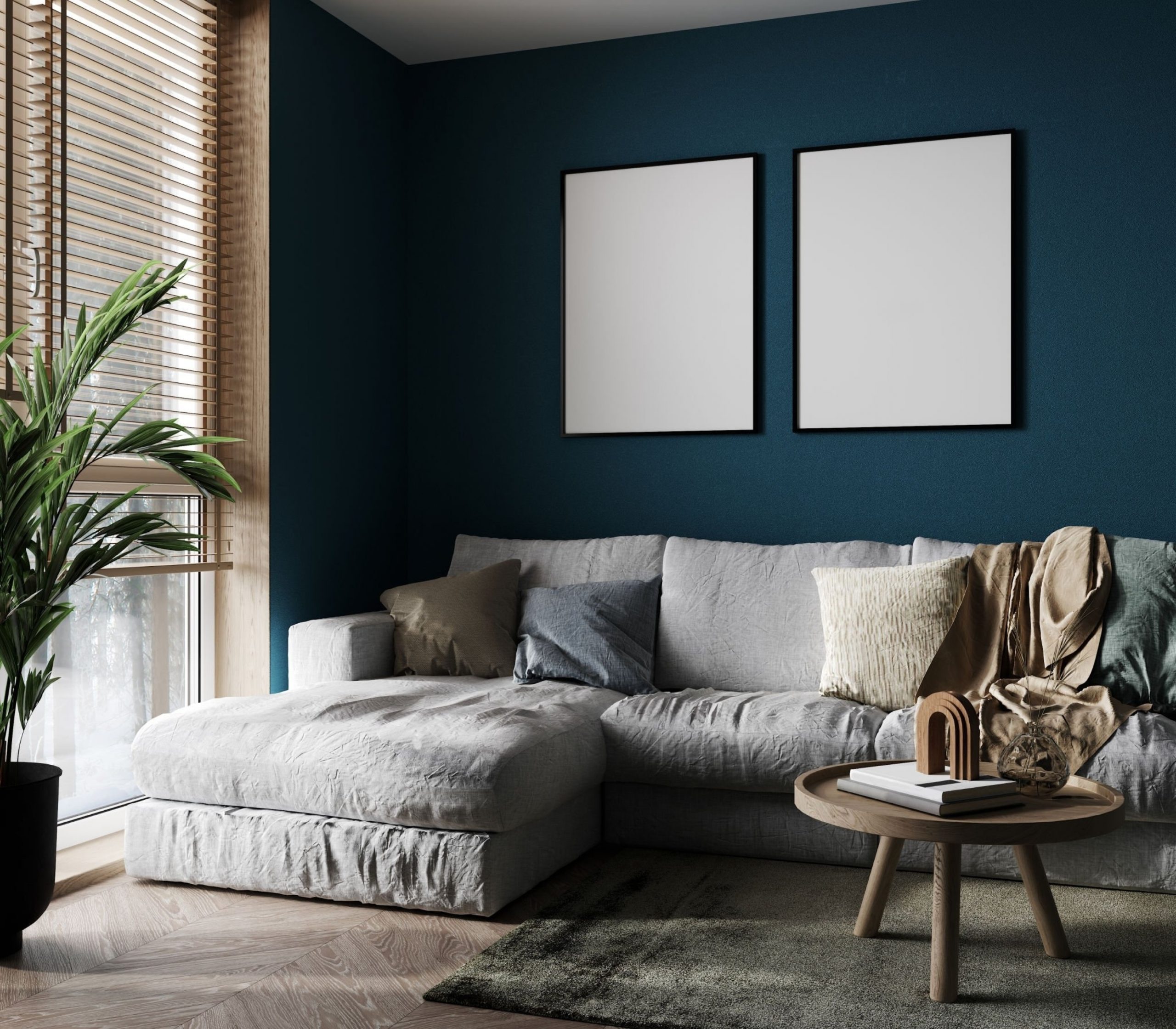

Velvet has moved a long way from being a fabric reserved for royalty. Today it’s one of the most requested upholstery materials in Indian homes, hotels, and offices — and that demand has made finding a dependable velvet manufacturer in India more important than ever for furniture makers, interior designers, and hospitality brands. Response Fabrics is one such manufacturer, producing velvet and upholstery textiles for exactly these kinds of projects.
Why Velvet Still Holds Its Place in Modern Interiors
Velvet’s appeal hasn’t really changed — it’s the texture. That thick, upright pile gives furniture a depth and softness that flatter fabrics just can’t match, and the way it catches light adds a richness to a room that’s hard to fake with anything else.
What has changed is the fabric itself. Older velvet leaned heavily on natural fibers, which looked great but didn’t always hold up. Modern velvet — much of it polyester-based — keeps that same look while being far more practical for everyday furniture, which is a big part of why it’s found its way into commercial spaces and not just formal living rooms.
Types of Velvet Fabric
Not all velvet serves the same purpose. A velvet manufacturer in India worth considering should offer more than one type, since the right choice depends heavily on where the fabric is going.
| Type | Best For | Durability |
| Polyester velvet | Residential and commercial seating | High — good abrasion resistance, easy upkeep |
| Cotton velvet | High-end residential furniture | Moderate — delicate, natural feel |
| Crushed velvet | Cushions, decorative furniture | Moderate |
| Embossed velvet | Statement furniture, feature pieces | Moderate to high, depending on finish |
| Performance velvet | Hospitality, high-traffic commercial spaces | Very high — stain and water resistant |
Polyester velvet is the workhorse of the group — affordable, colorfast, and resistant enough to abrasion that it holds up in both homes and commercial seating without much fuss.
Cotton velvet is the closer-to-traditional option, prized for its natural texture in upscale residential furniture where feel matters as much as looks.
Crushed velvet gets its texture from twisting or pressing the fibers during finishing, which gives it that shimmering, uneven surface often used in cushions and decorative pieces.
Embossed velvet carries a pressed-in pattern, adding visual interest for furniture meant to stand out rather than blend in.
Performance velvet is built for places that take a beating — hotel lobbies, restaurant seating, corporate lounges — with finishes for stains, water, and sometimes bacteria resistance baked in.
Where Velvet Gets Used
- Sofas and upholstered seating — still the single biggest use case, where comfort and visual weight matter equally
- Recliners and lounge chairs — velvet’s softness suits furniture meant for long sitting
- Hotels and hospitality interiors — lobbies, restaurant seating, and lounge furniture where the fabric needs to look premium and survive daily foot traffic
- Corporate and commercial interiors — reception areas and executive lounges increasingly use velvet to signal a higher-end feel
- Cushions, headboards, and wall panels — smaller decorative applications where velvet adds texture without a full furniture commitment
What to Check Before Choosing a Velvet Fabric
A few things matter more than they might seem at first:
Match the fabric to the setting. Residential velvet can prioritize softness and appearance; commercial and hospitality projects need to prioritize wear resistance first.
Ask about durability testing. A good manufacturer should be able to tell you how the fabric performs under abrasion and repeated use, not just describe it as “durable.”
Confirm maintenance needs upfront. Some velvet needs specialist cleaning; performance velvet with stain-resistant treatment is far easier to live with long-term.
Check for colour retention. Cheaper velvet can fade or shift tone after repeated cleaning — ask what the fabric looks like after a few years, not just fresh off the roll.
Look for added finishes where relevant. Fire-retardant treatment, water resistance, antimicrobial protection, and anti-static finishing all matter more for commercial and hospitality use than for a home sofa.
Response Fabrics as a Velvet Manufacturer in India
Response Fabrics manufactures velvet alongside a broader range of upholstery and furnishing textiles, including upholstery fabrics, artificial leather, jacquard fabrics, polyester fabrics, knitted fabrics, mesh fabrics, acoustic fabrics, printed fabrics, and recycled cotton fabrics.
The velvet fabrics coming out of their production line are aimed at the same places you’d expect — home furniture, office seating, hospitality projects, auditorium and cinema seating, modular workstations, and decorative wall panels — with several product lines built in fire-retardant, water-repellent, stain-resistant, antimicrobial, and anti-static finishes for commercial-grade use.
Where Velvet Is Headed
A few shifts are worth watching if you’re specifying velvet for a new project:
- Jewel tones remain strong — emerald, deep blue, maroon, and charcoal continue to dominate high-end residential and hospitality choices
- Performance velvet is gaining ground — buyers increasingly want the look of velvet without the upkeep, pushing demand toward treated, easy-care fabric
- Sustainability is entering the conversation — recycled fiber content and lower-impact production are becoming a genuine buying criterion, not just a marketing line
- Customization is more common — designers are asking for specific colors, finishes, and patterns rather than picking straight off a standard catalogue
Frequently Asked Questions
What is velvet fabric commonly used for?
Sofas, recliners, hospitality seating, decorative cushions, wall panels, headboards, and other upholstered furniture across residential and commercial interiors.
Which velvet type is best for upholstery?
Polyester velvet is the most commonly chosen for upholstery because of its durability, colour retention, and low maintenance compared to natural-fiber alternatives.
Is velvet fabric durable enough for daily use?
Yes, particularly performance and polyester velvet, which are manufactured specifically to hold up under regular wear, abrasion, and cleaning.
What should I check before buying velvet fabric?
Durability, colour fastness, stain resistance, and — for commercial use — any added finishes like fire-retardant or antimicrobial treatment.
Why choose Response Fabrics as a velvet manufacturer in India?
Response Fabrics manufactures velvet and upholstery fabric with performance finishes suited to residential, hospitality, and commercial interiors, alongside a wider catalogue of textile products for related furnishing needs.