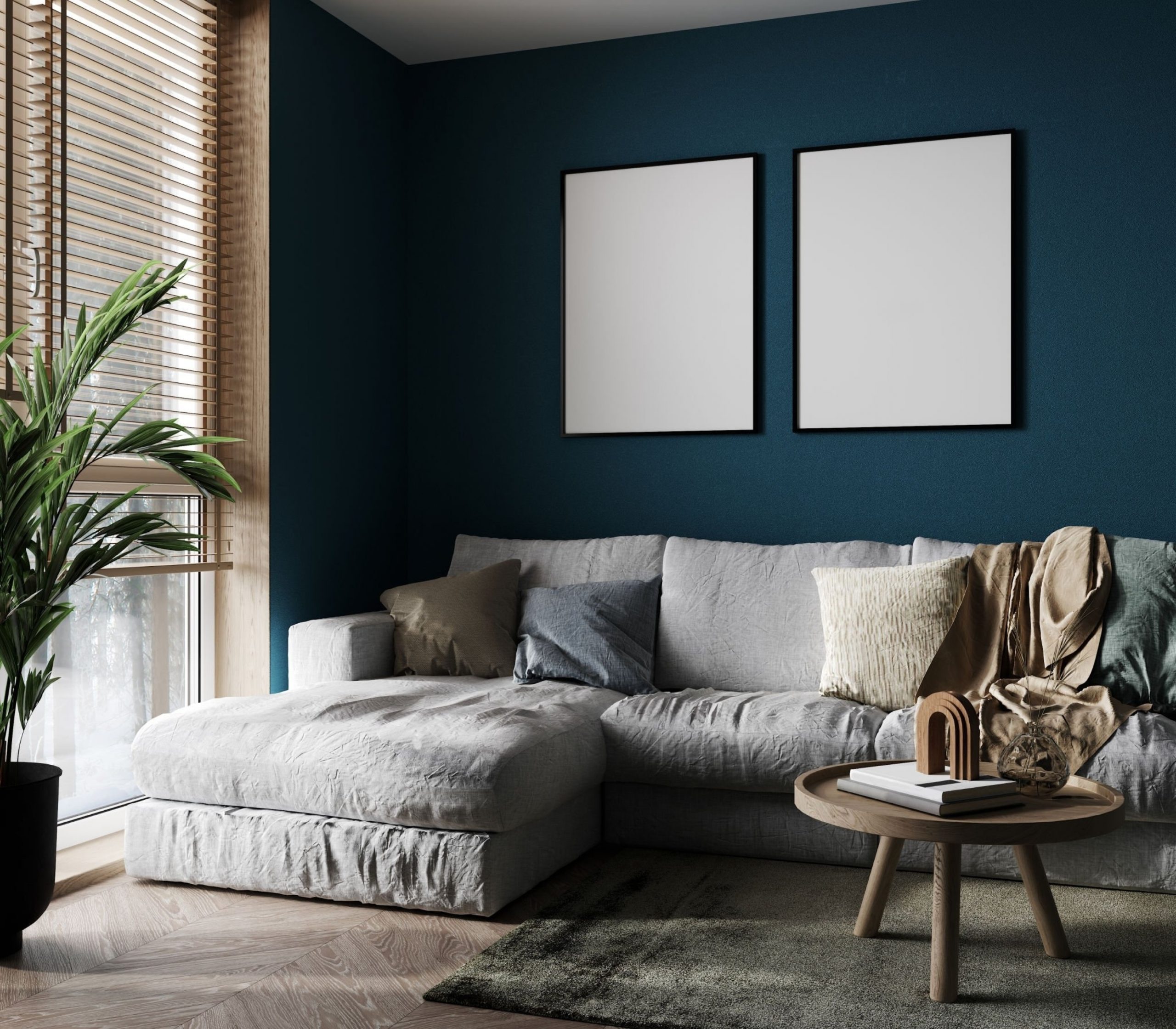
Decorating your home beautifully is more than just choosing furniture and paint colors; today, there are many different types of interior design that all work together in harmony, including aesthetics, comfort, function, and individual creativity.
Fabrics are becoming increasingly important in shaping the look and feel of an interior space. Whether you are adding upholstered furniture, draperies, toss pillows, wall coverings, or decorative trim to your room, by choosing the correct fabric you can create an inviting and visually appealing environment.
As homeowners are investing more time into personalizing their homes, selecting fabrics for decorating your home has taken on an increasingly important role in the overall planning of your home. Each room in your home serves a specific purpose and has varying degrees of use; therefore, we should carefully consider fabric selection not only based on how they appear but also by how well they function. A fabric that works well in one room may not work well in another room.
As demand continues to rise for high-quality upholstery and other furnishings, firms like Response Fabrics are creating new upholstery and other furnishing solutions that meet contemporary living standards. Knowing the types of fabrics that work best in different spaces helps consumers choose options for their home that are both stylish and functional over time.
Why Fabric Selection Matters in Home Decor
The impact of fabric on your home is so much more than just how it looks. Fabric affects significant factors such as comfort, texture, acoustics, care requirements and the overall feel of a space emotionally. The type of fabric you use can also generate warmth and softness while allowing other design elements to relate to one another.
Fabrics used in home décor have different levels of use, depending on the location of their use. For example: the upholstery used on sofas will receive more usage than curtains because of the high volume of people who sit on them every day, curtains will receive more exposure to sunlight than recently purchased benches or chairs that only occasionally receive people or items. Dining chairs may become very stained from constant use because of the constant eating and drinking that occurs in this area of the home, while many beds are selected because of the soft and comfortable feel that accompanies a bed.
Since most modern homeowners are interested in purchasing fabrics that can enhance the design of the home and provide functional benefits such as stain resistance, ease of care, durability and sustainability, they have more resources to choose from, than ”poor” fabrics made in poor regions where they often lack enforcement of labor laws, even when they meet minimum safety standards (Title IX, California Carpeting).
Living Room Fabrics: Balancing Comfort and Style
Often viewed as the heart of an entire home, the living room offers space to gather with family, entertain guests, and engage in everyday activities. The fabrics chosen for a living room should satisfy both the need for aesthetic beauty and durability.
Upholstered furniture is usually the main area around which decorating occurs in a living room. The fabrics normally found on sofas and chairs are made from tightly woven yarns or polyester filaments. Jacquard fabrics can be used for sofas and couches; however, generally speaking, textured furnishing fabrics should comprise 95 percent of the fabric used on upholstered furniture; therefore, most of what you see will be a combination of these materials.
In addition to having strength, the use of textured fabrics in the modern interior brings about visual depth without being overpowering to the rest of the room. Despite being neutral in color, these colors still give a classic and usefully flexible look to almost all modern living areas.
Bedroom Fabrics: Creating Comfort and Relaxation
Comfort and relaxation is what bedrooms are essentially designed for, thus fabric selections should influence this type of environment.
Upholstered headboards are a common element of contemporary bedroom designs. Not only do they add warmth to the atmosphere, but they also provide a point of focus visually and create a more comfortable environment.
A number of soft material options have been used to create upholstered headboards in the majority of today’s contemporary bedrooms, including plush materials (like faux suede), knitted materials and woven premium materials.
In addition to your headboard, curtains can play an important role in your bedroom as they offer you privacy, create a level of control over brightness entering your room, and are generally made from heavier-weight fabrics or installed using layered installations, which are all effective tools for creating restful and harmonious spaces while complementing the overall design aesthetic of your bedroom.
Accessories for bedding including cushions and decorative accessories, can help to create a richer texture within the room without making it cluttered or overwhelming.
Finally, colours used in bedrooms will typically feature soft and neutral tones as these colours will promote an environment conducive to relaxation and will work well with most styles of decor.
Dining Area Fabrics: Combining Functionality with Elegance
Fabrics that can take a lot of abuse while still looking good are a must in dining areas. Because dining chairs and other furniture used for dining are exposed to spills (and hence the need for cleaning), it is critical to select materials that will stand up over time.
Due to their ease of cleaning and stain resistance, performance upholstery fabrics are now becoming the most popular fabric choices for dining room furniture. Polyester-based fabrics work very well in these areas because they don’t lose their beauty even after repeated use.
Dining areas can also be a great way to create some subtle pattern and texture to brighten up the overall design of the dining room while still maintaining consistent design elements with the rest of the home.
Choosing the right fabric to use doesn’t mean you have to give up elegance. New textiles advancements provide homeowners with options on what types of materials they want to incorporate into their homes that mix beauty and functionality.
Home Office Fabrics: Supporting Productivity and Comfort
Remote working is becoming increasingly popular, which has changed home offices into a crucial living space within a home. The furniture and decorations within these areas should create an environment that appears to be professional, yet has also been designed for comfort.
Typical use for office chairs, lounge seating, and home décor is the durability of woven materials; mesh fabrics; and performance textiles provide both comfort and support for extended periods of time.
Home offices will typically have fabrics with simple textures and subtle patterns that will help keep the visual aspects of the environment well organized, which will help promote focus and productivity.
Neutral and modern colour palettes are going to continue to be the primary colour scheme seen in home office interiors because they create a calm and efficient working environment within the home.
Curtains and Decorative Fabrics Throughout the Home
Curtains remain one of the most important decorative fabric elements across all rooms within a home. They influence natural light, privacy, acoustics, and overall design harmony.
Textured woven fabrics, jacquards, printed materials, and polyester-based curtains continue to be widely used because they offer versatility and durability.
Decorative accessories such as cushions, throws, upholstered benches, and wall panels also contribute significantly to home décor. These elements allow homeowners to experiment with textures, colors, and seasonal design updates without making major structural changes.
Response Fabrics: Supporting Modern Home Decor Needs
Established as a reliable resource for all aspects of upholstery and furnishing in India, Response Fabrics has long served the Indian marketplace providing endless options to fill out diversely designed spaces within Contemporary Living. Products produced by Response Fabrics cover virtually every aspect of Modern Residential Design; including application support within Sofa, Chaise, Modular, Wall, Hospitality Project and Home Décor categories.
Response Fabrics offers an extensive range of jacquard, knitted, polyester leatherite, mesh, printed, recycled cotton and other household items developed both for aesthetics as well as functional performance. An additional benefit that distinguishes Response Fabrics from its competitors is their commitment to innovating based on performance, Modern homeowners now desire not only aesthetically pleasing materials; they also desire the same level of value concerning functional use.
Many of their products include features such as:
- Fire-retardant properties
- Water-repellent finishes
- Stain-resistant technology
- Antimicrobial treatments
- Anti-static characteristics
- Biodegradable fabric options
These features make Response Fabrics suitable for homeowners seeking furnishing solutions that support both comfort and long-term durability.
Emerging Trends in Home Décor Fabrics
The home décor industry continues to evolve as consumers seek materials that align with changing lifestyles and design preferences.
Textured fabrics continue to gain popularity because they add warmth and dimension to interiors without excessive ornamentation.
Sustainable materials are increasingly influencing purchasing decisions as homeowners become more environmentally conscious.
Performance fabrics that provide stain resistance and easy maintenance are also becoming standard choices in modern households.
Additionally, neutral and nature-inspired color palettes continue to dominate interior design trends because they create versatile and timeless living environments.
Conclusion
Choosing the best material for your home is more than simply selecting a pleasing colour or pattern, each room in the home has different functional needs that will affect your choice of materials. In all the various spaces in a home, including living rooms, bedrooms, dining rooms, and home offices, careful selections of fabrics will allow homeowners to create beautiful, functional environments. As a result of this, as homeowners continue to search for solutions that combine aesthetic qualities with features, manufacturers are continually creating new materials to suit the needs of the modern home.
Through its commitment to producing quality, innovative, and functional solutions, Response Fabrics is an excellent resource for your contemporary home décor project. As a leading supplier of high-quality furnishing and upholstery solutions, Response Fabrics can help you create a comfortable, stylish, and timeless home.
FAQs
What are the best fabrics for home decor?
Popular fabrics for home decor include woven upholstery materials, jacquard fabrics, polyester fabrics, textured materials, suede-inspired fabrics, and performance textiles depending on the specific application.
Which fabrics are best for living room furniture?
Durable upholstery fabrics such as woven textiles, polyester materials, and textured fabrics are commonly used for living room sofas and seating because they balance comfort with long-term performance.
What should be considered when choosing fabrics for home décor?
These are some of the most crucially important things to think about when selecting fabrics for decorating your home- The durability of the fabric, how much maintenance it needs, how comfortable and how well it feels to touch, whether or not it works together with other colors, how much sunlight it will be exposed to, and how appropriate the use for which you’re going to use this fabric is.
Are performance fabrics suitable for residential interiors?
Yes! Performance fabrics are becoming more common in homes because of their many practical features, including being stain-resistant, water-repellent and easy to maintain.
Why choose Response Fabrics for home décor solutions?
Response Fabrics offers homeowners a wide variety of fabric options that combine great looks with high-performance qualities appropriate for today’s residential spaces.