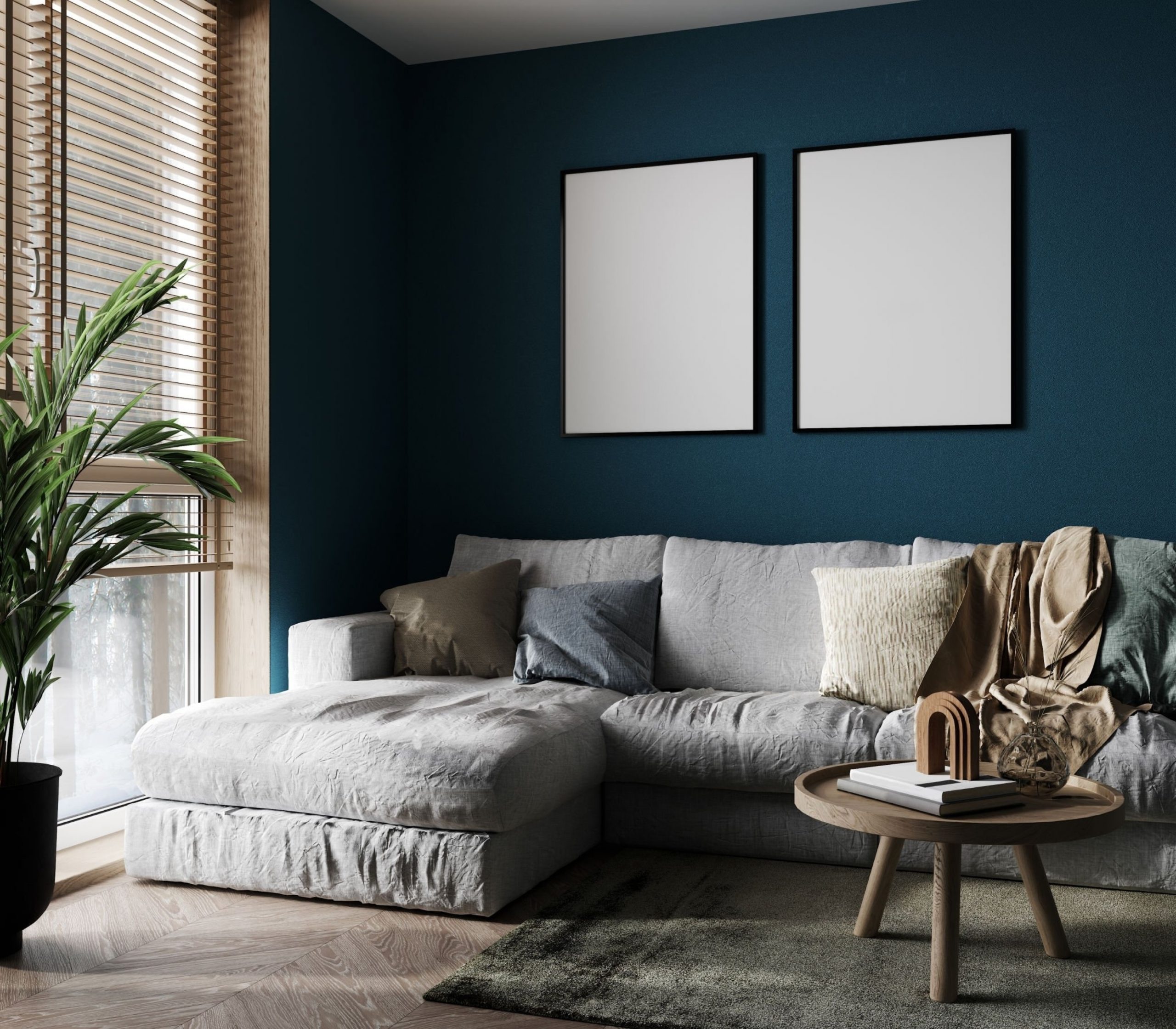
Architects and interior designers have made many changes in their work over the years to reflect new ideas about aesthetic appeal versus functionality, as well as creating spaces that add to user comfort and productivity. Visual aesthetics are often stressed during office interior planning, but sound management has also become a major concern when planning offices, auditoriums, schools, hotels, and other commercial buildings. Loud noise, inferior acoustic quality, and uncontrolled echo significantly diminish the experience for users of an office, inhibit effective communication, inhibit concentration, and take away from the overall comfort of all users.
As demand continues to demand that designers create interior spaces that are well-balanced from an aural perspective, the demand for effective acoustic solutions has steadily increased. In the numerous materials available for sound management, acoustic fabrics are now one of the most essential components in contemporary architectural and interior design projects. These fabrics absorb acoustic energy while enhancing the beauty of the environment.
Acoustic fabric manufacturers have responded to the increased demand for improved sound management solutions by developing new acoustic fabric products that deliver superior performance in multiple applications. One of the leading acoustic fabric manufacturers in India, Response Fabrics has built a solid reputation by providing high-quality textiles and furnishing products that are specifically developed for contemporary residential, hospitality, commercial, and institutional projects.
Understanding the applications of acoustic fabrics and their role within modern spaces can help architects, interior designers, facility planners, and project developers make informed decisions when selecting materials for their projects.
Understanding Acoustic Fabrics
Acoustic textiles are specialized fabrics intended to help manage sound and control noise in an interior setting. Unlike ordinary decorative fabrics that are mainly concerned with aesthetics, acoustic textiles are specifically designed to help absorb, disperse or control sound waves.
These textile materials are typically used to cover surfaces on acoustic panels, on wall surfaces, on ceiling systems, or on partitions as well as other sound control materials. The way an acoustic textile is manufactured allows sound waves to pass through it and interact with the sound- absorbent materials below them, thereby decreasing unwanted sound and minimizing sound reflections.
Acoustic textiles do not necessarily have the ability to absorb sound alone; however, they do play an important role in the function of a sound management system by allowing sound to properly travel into specialized acoustic materials located below them.
Due to the wide range of colors, textures, patterns, and finishes available, modern acoustic textiles can be used by designers as part of their sound management solutions without compromising the aesthetic value of an interior space.
Why Acoustic Fabrics Are Becoming Increasingly Important
The increasing prevalence of open plan, interactive workspace design is creating a growing interest in how to address the issues of sound in those environments. Open spaces containing highly reflective surfaces, such as glass, concrete, metal and polished floors, can create excessive amounts of echo and create an extremely challenging acoustic environment for employees working in those environments.
Bad acoustics negatively affect productivity in offices and decrease verbal communication in auditoriums, thus affecting the experience of the clientele in commercial environments as well.
Acoustic fabric products are a great way to increase acoustical performance while reinforcing today’s modern design objectives. Designers appreciate the ability of acoustic fabric to enhance the appearance of a space while providing acoustical function.
Acoustic fabrics will also increase the sense of privacy and professionalism for customers and employees and create an overall welcoming environment.
Applications of Acoustic Fabrics in Offices
Modern office spaces have undergone substantial changes in recent years, with many organizations embracing open-plan layouts designed to encourage collaboration and flexibility. While these designs offer several advantages, they can also create significant acoustic challenges due to increased noise levels and reduced privacy.
Acoustic Wall Panels
Acoustical fabrics are often used as the finish on wall mounted sound absorbing panels installed in office spaces, so they are effective in minimizing reflected sound and improving the clarity of voice in meeting rooms, collaboration space, and work areas.
Each of these sound absorbing wall treatments will additionally contribute to the overall aesthetic of the interior by providing different textures and colors that compliment the design theme of the space.
Workstations and Partitions
In an office, the use of fabric-covered cubicles or workspace dividers limits how much noise travels between coworkers. These types of items aid in creating a more calm/work-friendly environment, as well as keeping private within an open area.
Conference and Meeting Rooms
In conference rooms and meeting spaces, a noise-controlled environment is needed so people can communicate with each other effectively and not be bothered by outside noise. Acoustic materials can be added as part of the walls and as part of the decor in order to greatly enhance the quality of the acoustics in those areas.
Reception and Lounge Areas
Acoustic solutions can also be used in reception and lounge areas, where there are often various levels of sound and conversation occurring.
Using fabric or other material to lessen sound in these types of rooms creates a more pleasant experience while at the same time providing a visually appealing space.
Applications of Acoustic Fabrics in Auditoriums
Auditoriums and performance spaces place particularly high demands on acoustic performance because sound quality directly influences audience experience.
Wall and Ceiling Treatments
Acoustic fabrics provide sound absorption by dissipating the echoes created by hard surfaces in auditorium wall systems and ceiling systems. This allows a clear and consistent sound to be heard from all parts of the auditorium.
Stage Surroundings
When designing stage areas, it is critical to utilize an acoustically appropriate solution that facilitates sound performance and minimizes reflections. Fabric wrapped acoustic panels can create acoustically desirable balance when presenting, performing, or entertaining in a stage area.
Seating and Decorative Elements
The integration of acoustic materials into seating arrangements and other decorative elements in most auditorium types contributes to the acoustical control strategy of the facility.
When you combine aesthetics with function, you create an aesthetically attractive space while simultaneously enhancing the overall acoustical quality.
Applications of Acoustic Fabrics in Commercial Spaces
Commercial environments such as hotels, restaurants, retail spaces, healthcare facilities, and educational institutions increasingly recognize the importance of acoustic comfort.
Hospitality Environments
Most hotels often use acoustical fabrics within their wall panels and decorative elements to reduce background noise and provide a better overall guest experience.
The creation of a sound comfortable environment provides a significant contribution to customer satisfaction, as well as overall ambiance.
Educational Institutions
Classrooms, lecture halls, and training facilities rely on effective acoustics to support communication and learning.
Acoustic fabrics help reduce distractions and improve speech clarity, creating more productive educational environments.
Healthcare Facilities
Hospitals and healthcare spaces frequently incorporate sound management systems to create calmer and more comfortable surroundings for patients and staff.
Acoustic solutions can help reduce stress associated with excessive noise levels.
Retail and Commercial Establishments
Retail environments benefit from controlled acoustics because excessive noise can negatively affect customer experiences and staff communication.
Acoustic fabrics contribute to creating pleasant and inviting shopping environments.
Response Fabrics: Supporting Modern Acoustic Solutions
Response Fabrics has established itself as a trusted manufacturer of upholstery and furnishing materials designed for residential, hospitality, commercial, and institutional applications. The company offers an extensive range of textile solutions suitable for modern interior projects, including applications requiring acoustic performance.
Their portfolio includes jacquard fabrics, mesh materials, knitted textiles, printed fabrics, polyester leatherite, recycled cotton materials, and specialized furnishing products that support a variety of interior requirements.
Response Fabrics serves multiple sectors including:
- Office interiors
- Hospitality environments
- Auditorium projects
- Commercial spaces
- Home furnishings
- Modular furniture
- Wall panelling
- Acoustic applications
One of the key strengths of Response Fabrics lies in its focus on delivering products that combine visual appeal with practical functionality.
Many of their fabric solutions incorporate advanced characteristics such as:
- Fire-retardant properties
- Water-repellent finishes
- Stain-resistant technology
- Antimicrobial protection
- Anti-static treatments
- Biodegradable fabric options
These features make their products suitable for environments that require long-term performance while maintaining high standards of design and safety.
Emerging Trends in Acoustic Fabrics
As technological advancements and new interior design trends become apparent, the acoustic fabric industry is rapidly changing to keep pace. Manufacturers have begun to place greater importance on sustainability and are looking for alternative resources for their manufacture. The custom-designed acoustic panel has emerged as popular, combining both decorative textures/prints onto their surfaces while providing excellent sound performance, thus enabling an artistic expression of sound quality or absorption.
Additionally, acoustic panels with multi-functional properties (e.g., acoustic absorption combined with stain-resistant and durable properties) are becoming more prevalent. Finally, the ongoing development of flexible and adaptable workplace designs is leading to a continuous need for flexible acoustic solutions that meet today’s needs for quick adaptation to changing office layouts or collaborative work environments.
Conclusion
In today’s interior design field, acoustic fabrics are instrumental in achieving the sound control that is critical in modern day business, auditoriums, hospitality areas and commercial buildings. Not only do they provide superior acoustic improvement, but they also enhance the overall visual appearance; thus making them essential elements in contemporary architectural projects.
As companies have become more aware of the need for a comfortable and productive environment, the growing demand for superior quality acoustic solutions continues to increase. Manufacturers are responding with innovative products that provide a balance between performance and flexibility of design.
Response Fabrics remains an active participant in this ever-changing industry by providing superior quality textile solutions that meet today’s acoustic needs while upholding the highest standards of both durability and aesthetics.
FAQs
What are acoustic fabrics used for?
Acoustic fabrics are commonly used for wall panels, ceiling systems, partitions, and decorative elements designed to improve sound management within interior spaces.
How do acoustic fabrics work?
Acoustic fabrics allow sound waves to pass through to sound-absorbing materials underneath, helping reduce echoes and improve overall acoustic performance.
Where are acoustic fabrics commonly used?
Acoustic fabrics are widely used in offices, auditoriums, hotels, restaurants, educational institutions, healthcare facilities, and commercial spaces.
Do acoustic fabrics improve office productivity?
Yes, acoustic fabrics can help reduce noise distractions and improve speech clarity, creating more focused and productive working environments.
Why choose Response Fabrics for acoustic fabric solutions?
Response Fabrics offers high-quality furnishing and textile materials designed to combine acoustic functionality with durability, aesthetics, and modern performance requirements.